
The Best Fluffy Pancakes recipe you will fall in love with. Full of tips and tricks to help you make the best pancakes.

After the holidays, many homes feel cluttered because of leftover decorations, extra gifts, and the disruption of usual routines. This buildup of items can create visual chaos, which affects the energy of a space, making it feel overwhelming and less restful. The key to resetting the energy in a home is to clear out clutter and bring a sense of order back to the environment.
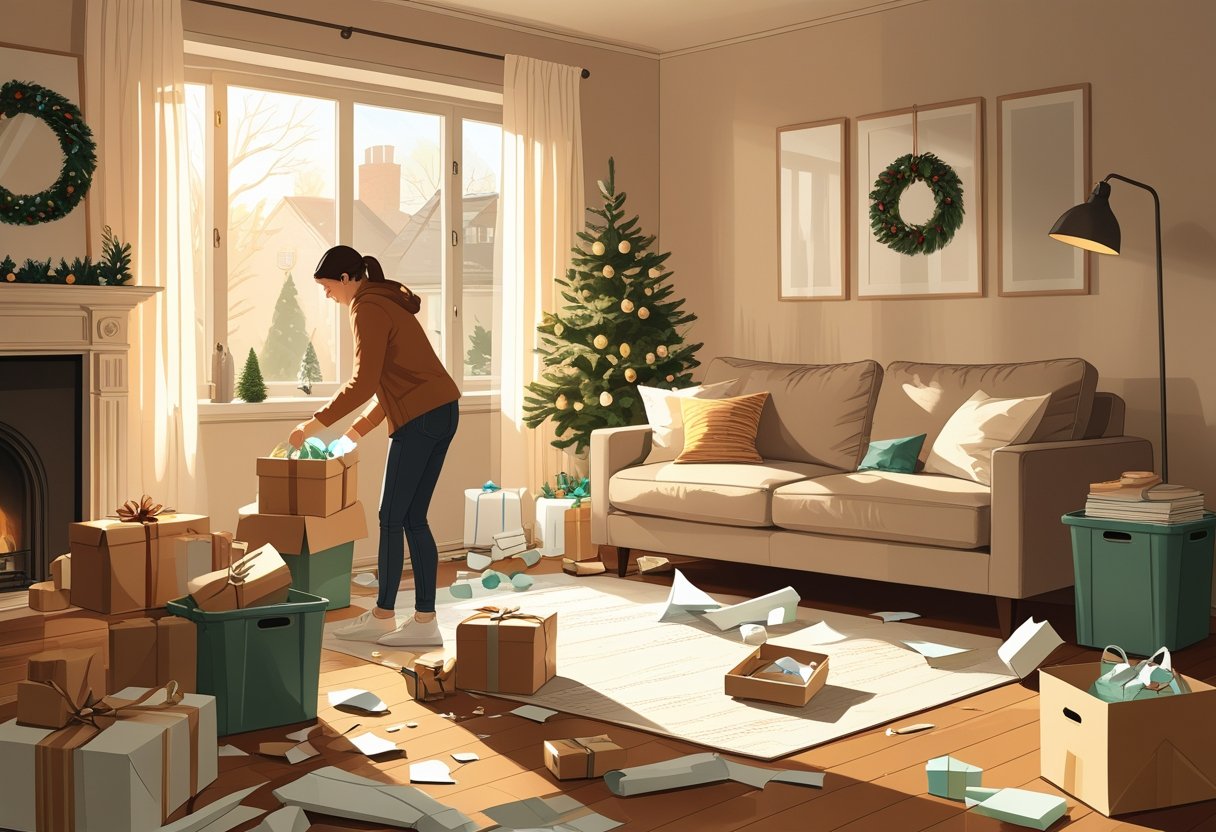
The change in daily habits during the festive season adds to the mess, as people often hold on to items out of obligation or feel unsure about how to organize everything. Taking time to declutter and thoughtfully put things away helps restore calm and balance. Creating space for new energy starts with making the home feel open and organized again.
Simple strategies like removing unwanted items, sorting decorations, and using smart storage solutions can make a big difference in how a home feels after the holidays. When a home is refreshed, it can support better focus, rest, and overall well-being going forward.
Key Takeways
- Clutter after the holidays disrupts the feeling of calm in a home.
- Decluttering and organizing help restore balance and clear energy.
- Smart storage and regular upkeep keep the home restful all year.
Why Your Home Feels Cluttered After the Holidays
A home often feels cluttered after the holidays due to several clear reasons. Decorations, gifts, and packed storage spaces create visual and physical clutter. Emotional ties to items and disruptions in daily routines also contribute to the feeling of disorder. Understanding these causes helps target the problem efficiently.
Accumulation of Holiday Decor and Gifts
Holiday decorations add layers of items throughout the home. Trees, lights, ornaments, and wreaths take up space in living rooms, hallways, and even kitchens. These pieces often stay up longer than needed, making spaces feel crowded.
Unwanted or extra gifts compound the issue. Families often keep items out of obligation, even if they don’t use or like them. This creates piles of things that add to clutter without serving a purpose. Paper clutter also spikes due to wrapping paper, cards, and packaging that often go unorganized. This visual overload makes homes feel busy and chaotic.
Emotional Attachment and Gift Guilt
Many people struggle to get rid of holiday clutter because of emotional reasons. Gifts from friends or family carry sentimental value, making it hard to let them go. This emotional attachment can turn into gift guilt, where people keep items out of obligation rather than use.
This feeling complicates decluttering. Instead of removing items, they get stored in closets, drawers, or boxes, adding to the clutter. The result is a mix of useful items and those kept purely for emotional reasons. Without addressing these feelings, clutter tends to build up and remain long after the holidays end.
Overwhelmed Storage Spaces
Holiday items often overload storage areas. Closets, cabinets, and shelves fill up fast with decorations and seasonal items. This leaves little room for daily essentials and can cause disorganization.
When storage spaces are crowded, it becomes hard to find things and keep areas tidy. This leads to more clutter as people stack or shove items in any available space. Lack of efficient storage solutions also means holiday items stay out longer than needed, increasing the cluttered feeling.
Impact on Daily Routines
Holiday clutter disrupts normal habits. Extra decorations block pathways or take over kitchen counters. Piles of gifts and packaging make cleaning and organizing more difficult.
This disruption can create stress and make daily tasks feel harder. It also delays the return to a clean, peaceful home. When clutter interferes with routines like cooking or relaxing, the sense of disorder intensifies. The longer clutter stays, the harder it is to reset the home’s energy and appearance.
Decluttering and Organizing Strategies to Reset the Energy
Resetting the energy in a home requires clear steps to remove clutter and arrange belongings effectively. Focusing on specific categories, handling emotional attachments thoughtfully, and breaking down the process into short sessions can make decluttering manageable and productive.
Declutter and Organize by Category
Starting with one category at a time helps create focus and prevents overwhelm. For example, begin with clothes, then move to books, papers, or kitchen items. Grouping similar items lets a person see what they have, making it easier to decide what to keep or donate.
Using bins or boxes labeled Keep, Donate, and Discard simplifies sorting. It also makes the process quicker and more organized. After sorting, organizing the kept items by frequency of use or size can help maintain a tidy space. Keeping clear surfaces and visible storage options supports ongoing order.
Tackling Sentimental Items
Sentimental items often cause the most hesitation during decluttering. It is important to set limits, such as choosing a specific box or drawer to hold meaningful objects. Items that do not fit or feel unnecessary should be thoughtfully reconsidered, focusing on memories rather than things.
Taking photos of items before letting them go can help preserve memories without keeping the physical clutter. Another strategy is to decide on specific criteria for keeping things, like only saving gifts or souvenirs that have clear personal value. This approach prevents unnecessary piles and resets energy by reducing emotional weight.
Decluttering Sessions for Manageable Progress
Breaking decluttering into short sessions keeps the process from feeling overwhelming. Sessions of 15 to 30 minutes can fit into daily routines without causing fatigue. Regular, focused effort leads to steady progress.
Setting clear goals for each session helps make the work purposeful. For example, dedicating one session to clearing a desk drawer or organizing a bookshelf keeps tasks specific and measurable. Using timers or checklists can increase motivation and provide a sense of accomplishment after each session. This method encourages consistency and eventually transforms the home’s energy by reducing clutter step by step.
Smart Storage Solutions for a Clutter-Free Home
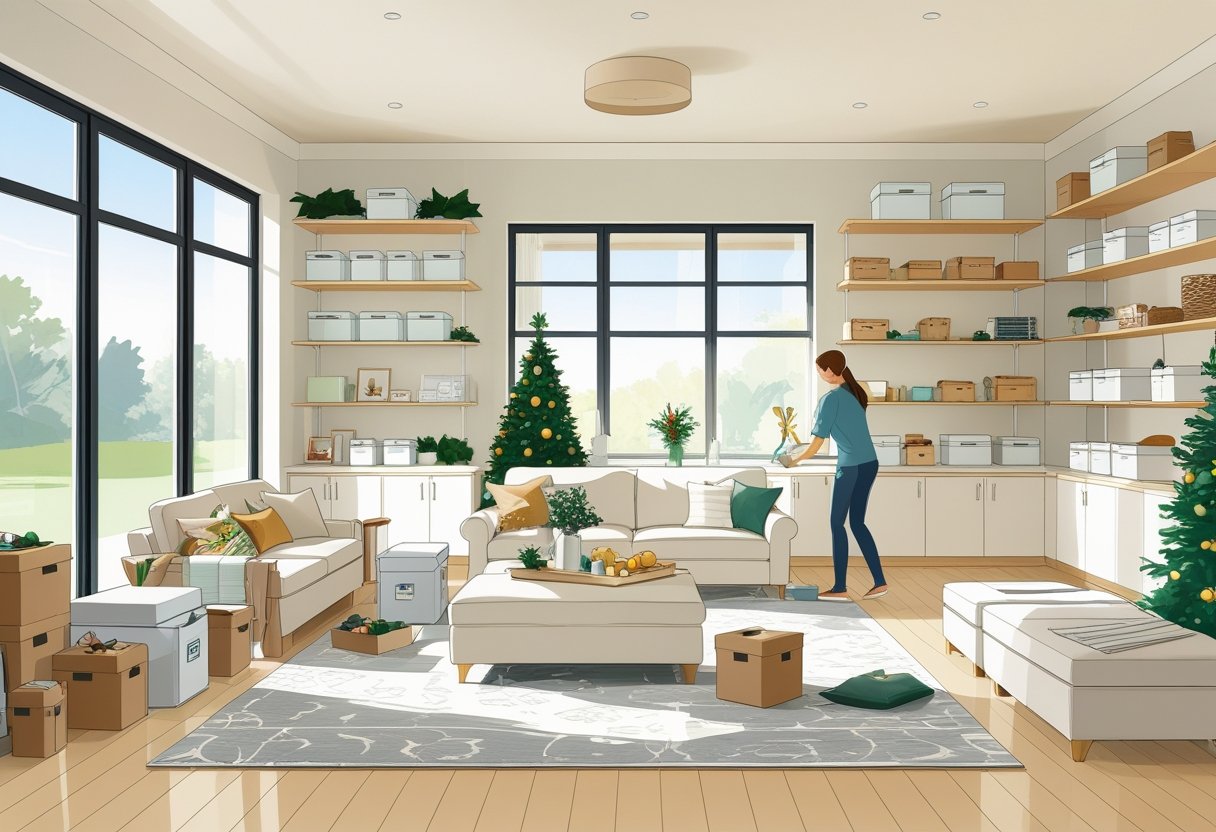
Organizing a home after the holidays can be easier with specific storage methods that save space and simplify access to items. Effective solutions often involve using clear containers, managing toys smartly, maximizing unused areas like under the bed, and choosing furniture that serves multiple purposes.
Optimal Use of Clear Storage Bins
Clear storage bins offer a practical way to see what is inside without opening them, which reduces time spent searching for items. They work well for holiday decorations, seasonal clothes, and miscellaneous household items. Labeling bins adds another level of organization, making it easier to keep track of what belongs where.
Stacking clear bins vertically uses vertical space efficiently. It also keeps floors clear and rooms more open. Choosing uniform sizes can help with stability and visual appeal. Clear bins keep items dust-free and protected, preserving delicate decorations or fabrics during storage.
Toy Storage and Rotation Systems
Toy storage can quickly become overwhelming. Using labeled bins or clear containers for sorting different types of toys helps keep play areas neat. A rotation system can limit toys out at once, keeping spaces cleaner and toys more engaging.
Families can store unused toys out of sight, rotating them in when needed. This reduces clutter and refreshes children’s interest without new purchases. Storage ottomans or bins with lids can double as seating or play surfaces, adding both function and tidiness.
Maximizing Under-Bed Storage
Under-bed space is often overlooked but offers valuable storage opportunities. Flat, wheeled bins or sliding drawers fit neatly underneath and can hold items like shoes, linens, or out-of-season clothing.
Using this space helps keep bedrooms tidier and frees up closet or dresser space. It is best to choose bins with sturdy lids to avoid dust and pests. Clear bins or ones with labels make it easier to find stored items quickly without pulling everything out.
Incorporating Built-In and Multi-Purpose Furniture
Built-in storage solutions provide customized spaces that fit the home’s layout perfectly. Shelving units around windows, built-in cabinets, or bookcases reduce wasted space and offer plenty of room for organizing belongings.
Multi-purpose furniture like storage ottomans, beds with drawers, or coffee tables with compartments adds extra storage without crowding a room. These pieces blend function with design, helping keep clutter hidden and the home visually calm. Choosing furniture with clean lines and neutral colors can also improve the overall sense of order.
Maintaining a Restful, Organized Home All Year Round
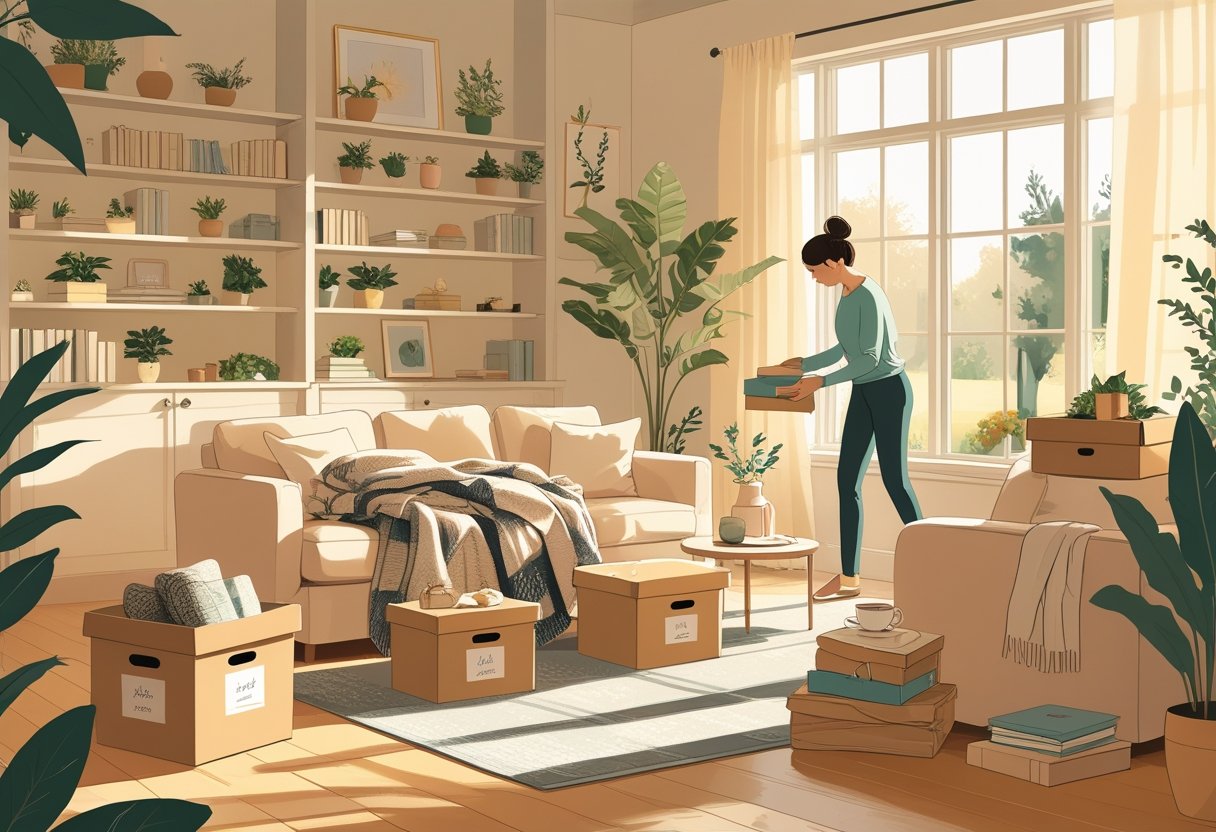
A cluttered home often builds up quietly over time. Consistent effort to remove excess items, limit new clutter, and keep positive energy flowing can make a lasting difference. These actions create a calm space that supports both physical order and emotional ease.
Creating and Sustaining Decluttering Routines
Regular decluttering prevents mess from piling up and helps maintain order. Instead of large, rare cleaning sessions, breaking decluttering into daily or weekly habits works better. Small tasks like clearing one drawer or sorting a shelf take minutes but add up over time.
Setting specific times for tidying, such as 10 minutes in the morning or evening, keeps the home manageable. Using simple systems like labeled bins or donation boxes makes it easier to decide what to keep or discard. The goal is to build routines that reduce the stress of sudden big cleanups and keep clutter minimal continuously.
Mindful Consumption and Reducing Incoming Clutter
New purchases and gifts increase clutter quickly. Being mindful about what enters the home helps control this. Individuals who pause before buying or keep lists of needed items reduce unnecessary additions.
Tracking what arrives each week encourages thoughtful decisions. For example, setting limits such as one new item per week or reviewing gifts honestly for usefulness stops unneeded clutter. Sustainable habits like choosing quality over quantity and asking for experiences instead of physical gifts also reduce clutter buildup.
Cultivating Lasting Positive Home Energy
Keeping a home feeling restful requires more than just tidiness. Positive energy flows when the space feels open and intentional. Regularly airing rooms, adding plants, or rearranging furniture to improve flow affects how people experience their environment.
Using calming colors, keeping surfaces clear, and avoiding overcrowding support mental clarity. Decluttering also plays a role in this by removing distractions and visual noise. This balance between order and personal touches encourages a lasting, pleasant atmosphere that resets the home’s energy consistently.
Frequently Asked Questions
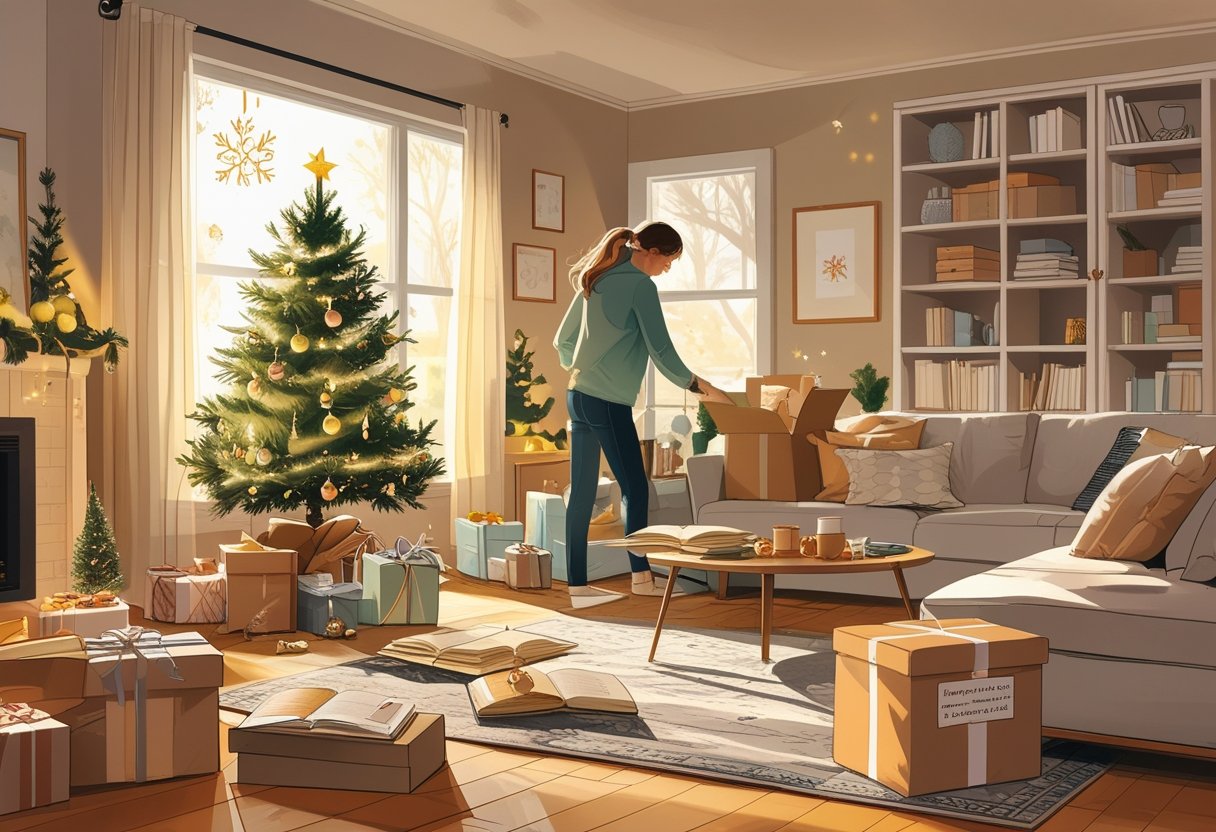
Many people struggle with clutter and unsettled energy after the holiday season. Understanding how to tackle leftover decorations, organize spaces, and address mental effects can make the reset smoother and more effective.
How can one effectively declutter their home post-holiday season?
Starting small helps. Using systems like sorting items into keep, donate, trash, and relocate boxes makes decisions easier. Tackling one area at a time prevents overwhelm and creates visible progress.
Removing unwanted gifts and holiday-specific items quickly frees up space. Prioritizing surfaces and high-traffic zones first can give a sense of immediate order.
What are the best strategies for resetting a home’s energy after extensive holiday decorations?
Clearing away decorations and cleaning surfaces refreshes the atmosphere. Reducing visual clutter helps improve focus and calmness.
Opening windows to bring fresh air and using natural light can shift energy. Adding simple elements like plants or soft lighting supports a peaceful environment.
Can you explain the mental impact of post-holiday clutter?
Clutter raises stress levels by overstimulating the brain. It makes it harder to relax or concentrate.
The mess can also remind people of unfinished tasks or obligations, adding to feelings of anxiety. Clearing clutter provides a sense of control and mental relief.
What actionable steps can be taken to manage clutter with limited storage space?
Maximizing vertical space with shelves or hooks expands storage capacity. Using clear containers helps identify items quickly without opening them.
Regularly reviewing stored items to remove what is no longer needed keeps clutter from piling up. Rotating seasonal items in and out rather than storing everything at once is effective.
What is the 50% rule in decluttering, and how can it be applied after the holidays?
The 50% rule suggests decluttering anything unused or neglected for over half the time you’ve owned it. After holidays, this means letting go of decorations or gifts not used or enjoyed within six months.
Applying this rule helps narrow down what truly holds value and avoids holding onto items out of obligation or guilt.
How to maintain a tidy home environment once holiday decorations are taken down?
Creating daily habits like tidying surfaces and putting items away right after use maintains order. Setting small goals, like spending 10 minutes each day on organizing, prevents clutter build-up.
Keeping storage spots clearly labeled and accessible encourages consistent use and quick tidying.

Jasmine Hart is the founder and primary author behind MyNestHaven, a home decor and interior inspiration website focused on practical, real-life design ideas.
She shares styling inspiration, organization tips, and space-conscious solutions to help readers create homes that feel both functional and visually appealing. Her approach focuses on simplicity and usability, with an emphasis on ideas that can be applied to everyday living spaces.
Through MyNestHaven, Jasmine provides room-by-room decor ideas, small space solutions, and practical guidance designed to make home design feel more approachable and achievable.