
The Best Fluffy Pancakes recipe you will fall in love with. Full of tips and tricks to help you make the best pancakes.

Editing a home is about removing just enough items to create space that feels open and calm. It’s not about throwing everything away or doing a full makeover. The key is to carefully choose what to remove so a room can breathe and feel more peaceful without losing its character.
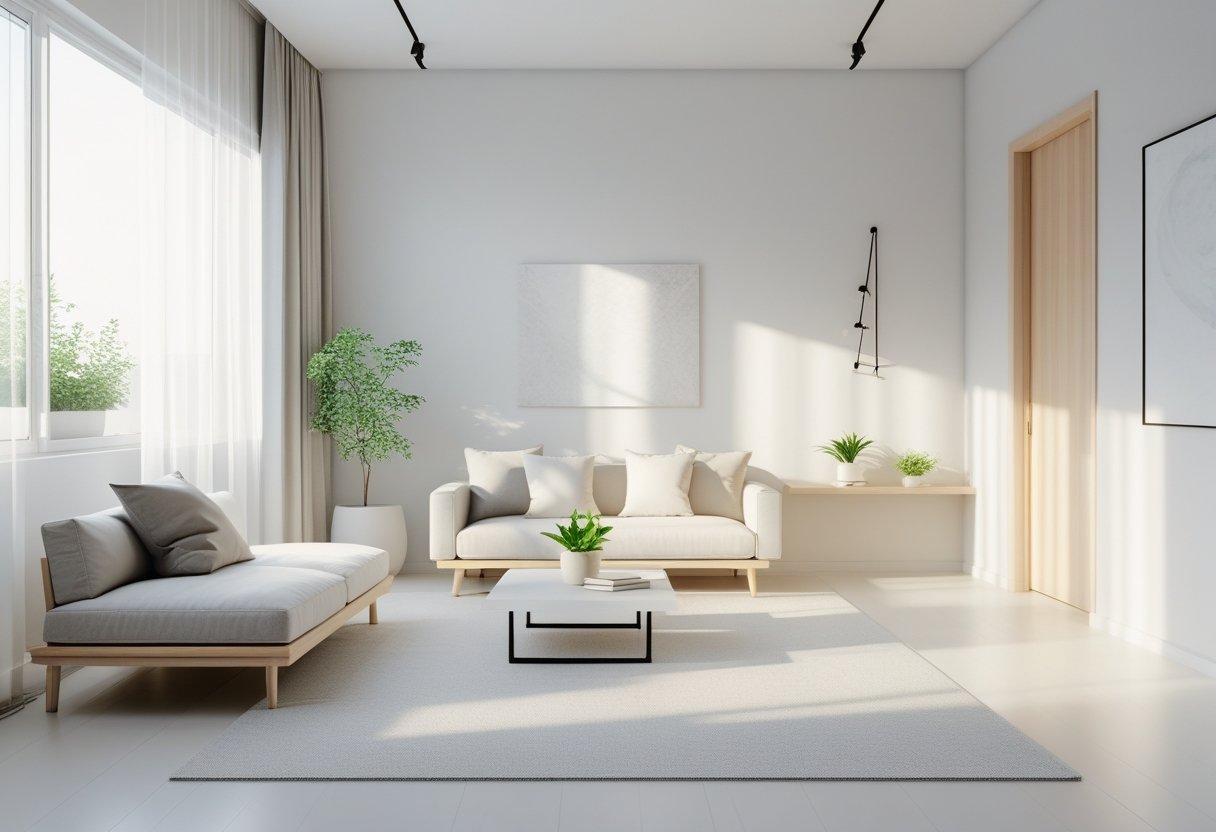
This process helps people live in homes that are easier to manage and enjoy. When a space is edited well, it feels fresher and invites relaxation. By focusing on what truly matters, unnecessary clutter disappears, making room for what brings comfort and style.
Creating this balance requires understanding how to edit furniture, decor, and other items thoughtfully. It’s about making small, meaningful changes that lead to a more functional and inviting home.
Key Takeways
- Thoughtful removal of items creates calmer, more open spaces.
- Keeping only essential pieces improves daily living and comfort.
- Small changes can make a big difference in how a home feels.
The Principles of Editing Your Home
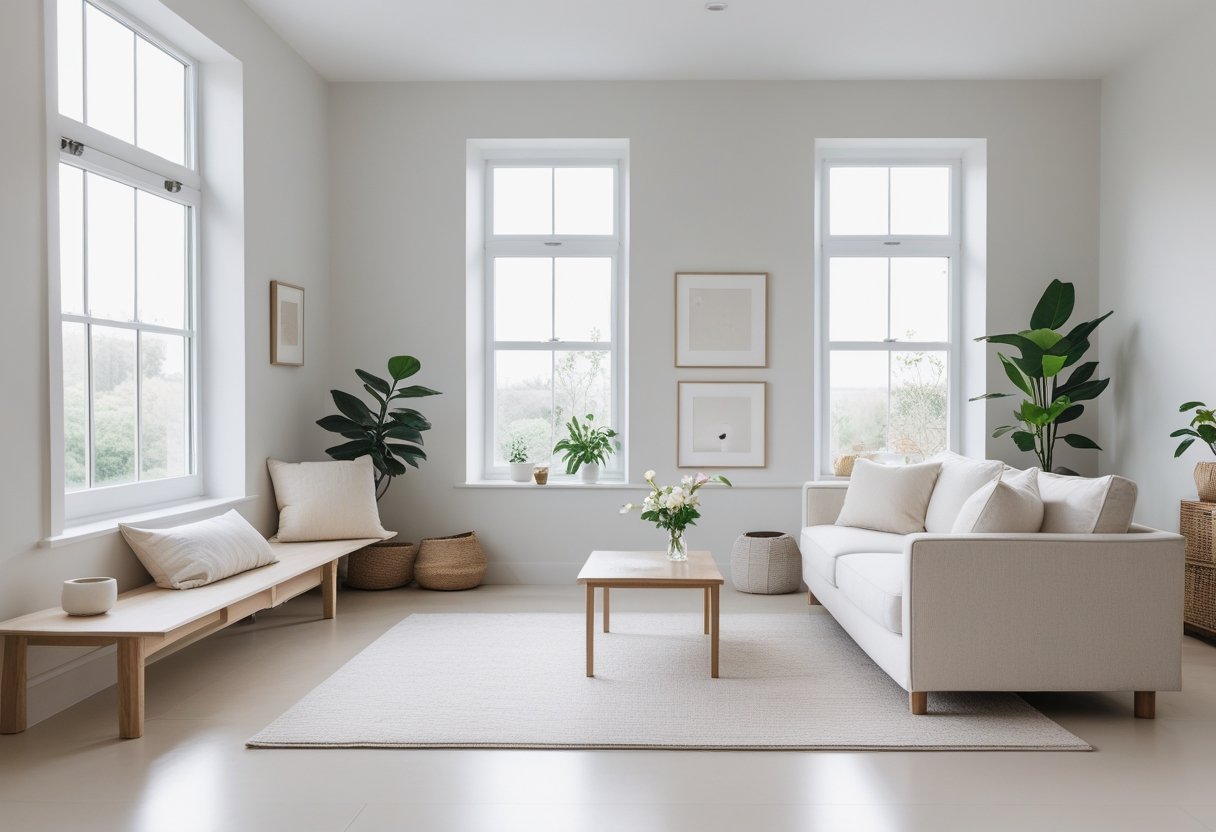
Editing a home involves more than just removing clutter. It requires careful choices about what stays, what goes, and how the space feels. The goal is to create rooms that function well, look inviting, and allow for comfort through simplicity.
Why Editing Makes a Space Breathe
When a home is overloaded with items, it can feel cramped and stressful. Editing helps by removing unnecessary things, which frees up physical space. This, in turn, makes rooms feel larger and airier.
Editing your home also reduces mental clutter. Having fewer distractions helps people relax and focus better. It creates a calm environment by eliminating excess.
The idea is not to remove all belongings but to keep only what is useful or meaningful. This balance makes the space easier to manage and enjoy. Regularly reviewing items helps maintain this feeling of openness.
Balancing Function and Aesthetic
Editing a home is about balancing practical needs with how a space looks. It’s important to keep furniture and décor that serve a purpose and fit the room’s style.
A functional space supports daily activities without feeling overcrowded. This often means choosing versatile items that can do more than one job or that store other things.
At the same time, an edited room should feel visually pleasing. Using a consistent color palette and limiting decorations can improve harmony in a room. Prioritizing quality over quantity helps keep spaces tidy and stylish.
The Role of Negative Space
Negative space is the empty or open areas around furniture and objects. This space plays a key part in editing because it gives the eye a place to rest.
When negative space is used well, a room feels balanced and uncluttered. Too many things packed together can overwhelm, while enough open space adds calm and clarity.
Negative space can be created by pulling furniture away from walls, removing excess décor, or choosing smaller items. It contributes to a room’s flow and makes movement easier.
Proper use of negative space highlights important design elements and helps the home feel welcoming rather than crowded.
Step-by-Step Guide to Decluttering
To edit a home well, it helps to start with manageable areas, follow a clear order, and make firm decisions about what stays. This method keeps the process focused and makes the space easier to live in afterward.
Starting with the Easiest Spaces
Beginning with the easiest spaces builds momentum. These might be small areas like a bathroom cabinet, a nightstand drawer, or a shelf. Choosing simple spots helps avoid feeling overwhelmed early on.
In these spaces, people can quickly decide what is useful or no longer needed. Items that are broken, expired, or unused can be removed first. This quick success encourages continuing with larger, more complicated rooms.
By focusing on easy wins, the process feels less like a chore and more like steady progress toward a lighter, clearer home.
Systematic Room-by-Room Approach
A methodical plan works best for thorough editing. Tackling one room at a time lets people focus fully on that space.
Start by clearing surfaces and containers, then sort items into categories such as keep, donate, toss, or store. This helps in assessing each object’s value.
To keep track of progress, use a checklist for each room. For example:
| Room | Key Focus | Time Estimate |
|---|---|---|
| Bedroom | Clothes, linens | 2-3 hours |
| Kitchen | Pantry, utensils | 3-4 hours |
| Living Room | Books, decor, media | 2-3 hours |
Working room by room helps maintain clarity and ensures no area gets missed during the decluttering process.
Setting Boundaries for What Stays
Setting clear rules about what to keep prevents clutter from returning. Boundaries might include holding onto only items that are regularly used or truly loved.
One useful technique is the “one-in, one-out” rule: for each new item brought into the home, one older item leaves. This keeps total belongings in check.
Another boundary is limiting storage space, like dedicating a single drawer or box for certain items. If the space fills up, it’s time to edit again.
By deciding in advance what qualifies to stay, the home stays simpler and feels more open.
Transforming Key Areas for Spaciousness
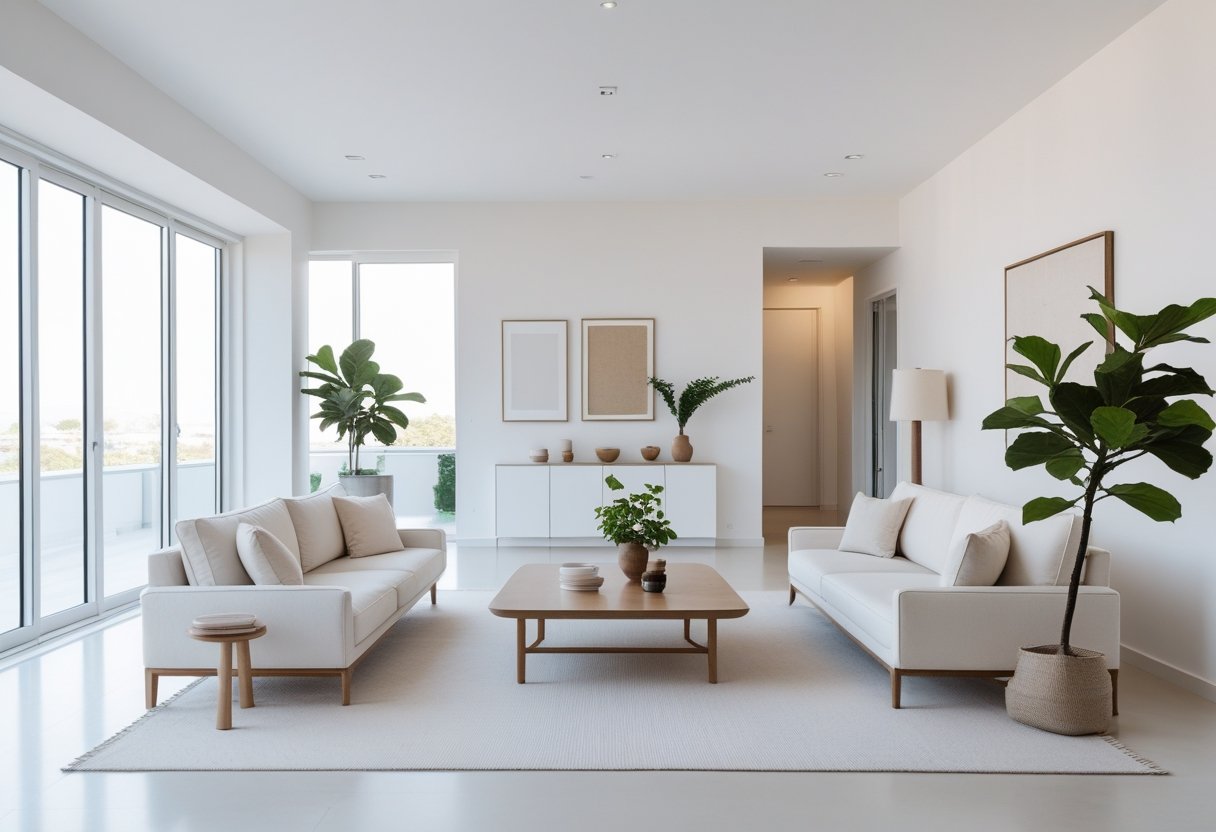
Creating space involves careful removal and thoughtful arrangement in areas used daily. Prioritizing what stays and what goes helps each room feel open and functional without losing comfort or style.
Living Room Essentials
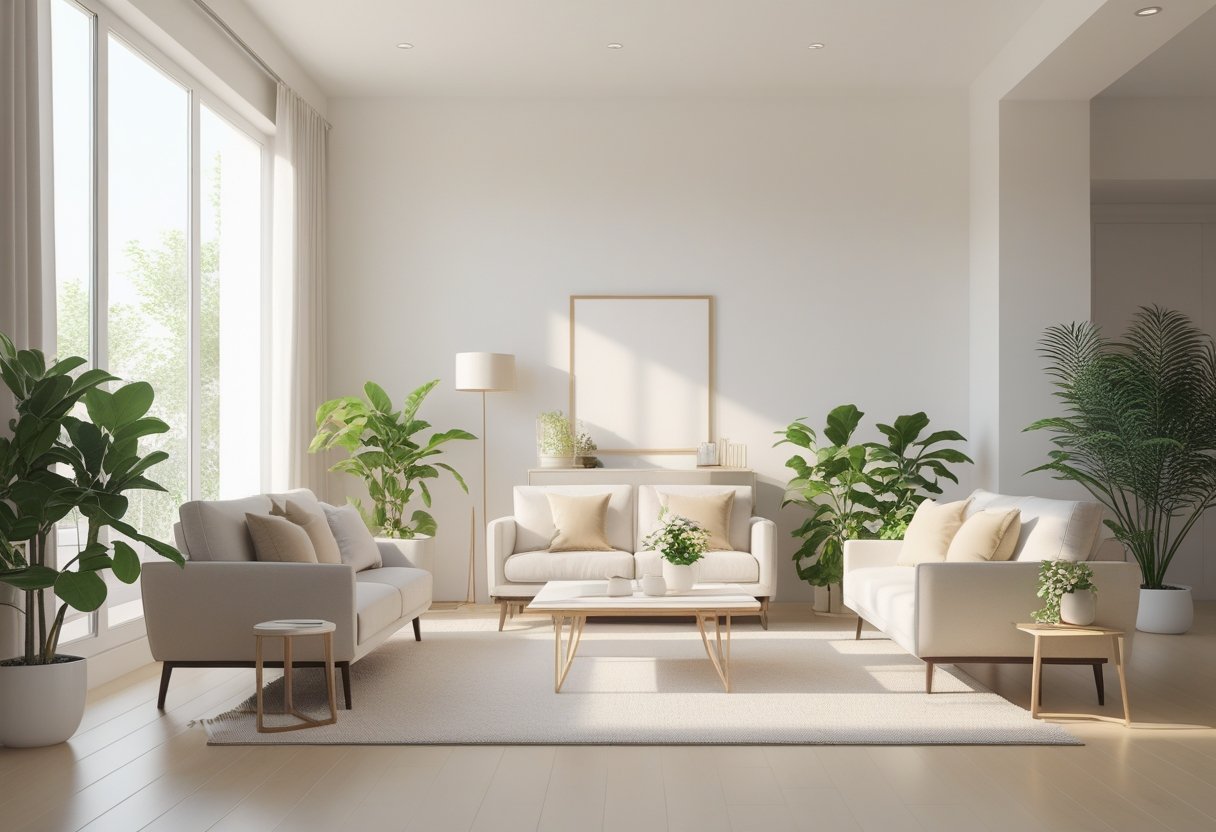
The living room often holds the most furniture and personal items, which can quickly crowd the area. To create breathing room, one must start by decluttering surfaces like coffee tables and shelves. Removing unnecessary decorations clarifies the space visually.
Choosing versatile seating, such as a smaller sofa or chairs that can move, improves flow. Pulling furniture slightly away from walls avoids a boxed-in feeling. Lighting plays a vital role; natural light should be maximized by keeping window treatments minimal or sheer.
Introduce open shelving or built-in storage to keep everyday items organized but out of sight. The goal is a clean, inviting area where movement isn’t hindered.
Kitchen Surface Strategies
Countertops and tables are often cluttered with appliances and gadgets. Clearing these surfaces by editing down to essential tools creates more workspace and reduces visual clutter.
Use vertical storage solutions like hanging racks or wall-mounted shelves to keep counters clear. Group utensils in containers near work areas but avoid overcrowding.
Decluttering the kitchen also means reorganizing cabinets to store items efficiently. Pull out or donate rarely used tools to lessen the load.
Focus on keeping the kitchen functional by prioritizing room for meal prep and cooking flow, making the space easier to move through and less stressful.
Inviting Bedrooms
Bedrooms must balance coziness with openness. Overstuffed furniture and piles of belongings disrupt this balance. Removing excess furnishings and limiting items on nightstands or dressers enhances calmness.
Choosing a bed with built-in storage reduces the need for extra furniture. Keeping closets neat by donating unused clothing prevents overflow into living space.
Soft, neutral colors and simple décor choices help the room feel more spacious. It’s important to allow clear paths around the bed and maintain a sense of order.
The key is editing personal items thoughtfully, so the space remains restful without feeling barren.
Streamlining High-Traffic Zones
Hallways, entryways, and stairwells require clear, unobstructed paths for safety and ease. Eliminating non-essential furniture or decor from these areas is crucial.
Storage solutions, such as wall hooks or slim benches with hidden compartments, keep items organized without crowding walkways.
Keeping these zones clean and free of clutter makes the entire home feel larger and less chaotic. Regular maintenance, like daily tidying and seasonal editing, supports ongoing openness.
Focus on function first—any decor or furniture must support movement and storage without blocking flow.
Sustaining a Light, Intentional Home
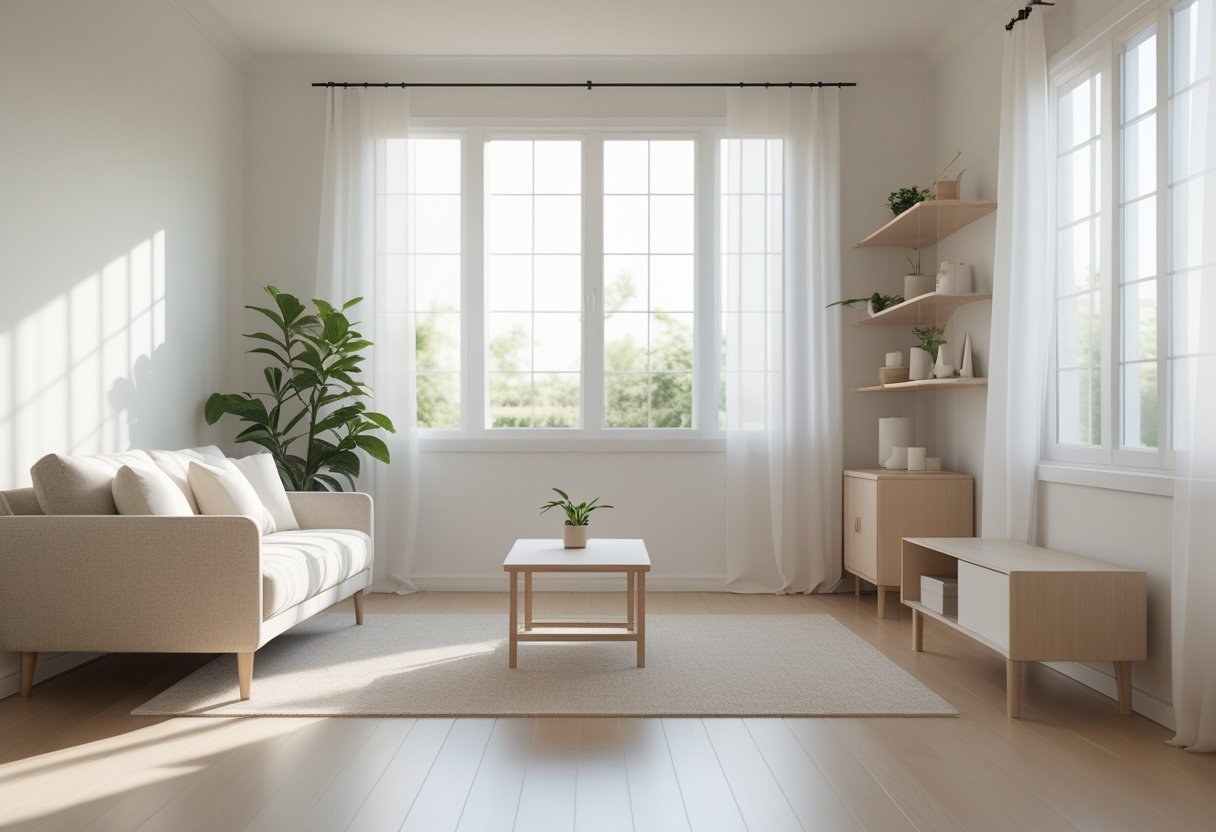
Keeping a home feeling open and purposeful means regular care and attention. This involves habits that extend beyond the initial editing process to preserve clarity and function every day.
Maintaining Results Over Time
To maintain a light, intentional space, regular decluttering is key. This means setting aside time weekly or monthly to review belongings and remove anything unnecessary. Avoid accumulating items by adopting a one-in, one-out rule for furniture, décor, or personal goods.
Creating simple routines helps. For example, tidying surfaces nightly and organizing storage often prevents clutter from building up. Using clear storage solutions and limiting bulky furniture keeps spaces feeling airy. Light colors and good lighting also enhance the sense of openness.
Maintaining order supports functionality. An intentional home encourages mindful choices, where every item has a purpose or meaning. This steady upkeep preserves the balance that editing originally created.
Emotional and Mental Benefits
A home that breathes invites calm and focus. Removing excess clutter reduces stress by clearing visual chaos. This, in turn, helps occupants feel more centered and relaxed.
Living in a light, edited space can improve mental clarity and motivation. It encourages better habit formation and a healthier mindset. When items reflect values rather than excess, people often feel more connected to their living environment.
Intentional spaces promote well-being by supporting daily routines and meaningful activities. This connection between environment and emotion strengthens over time when clutter is managed and changes are thoughtfully introduced.
Re-Evaluating and Refreshing Spaces
Homes evolve, so re-evaluating spaces regularly is necessary. Every few months, residents should ask if rooms still function well and feel inviting. This review might identify areas to declutter further or needs for new furniture or art.
Refreshing does not always mean adding more; sometimes subtracting outdated or unused pieces renews the environment. Small updates, like adjusting lighting or rearranging furniture, can dramatically improve flow and mood.
Keeping a home intentional means remaining open to change but staying focused on simplicity. Thoughtful edits and mindful decisions ensure spaces stay purposeful without becoming cluttered again.
Frequently Asked Questions
Editing a home requires practical methods to clear out clutter while keeping important items. It also involves thoughtful choices that can affect how people feel and live in their space.
What are effective strategies for decluttering a room?
One good strategy is to focus on small areas, like a single drawer or shelf, before moving on. This approach helps avoid feeling overwhelmed.
Sorting items into categories—keep, donate, and toss—makes decisions clearer. Limiting the number of things kept to what is truly useful or loved keeps the space open.
How can editing your home impact your overall well-being?
Removing clutter creates more physical and visual space, which can reduce stress. A cleaner, more open area often feels peaceful and welcoming.
Editing also offers a sense of control and accomplishment. It can improve focus and make daily routines smoother.
What are the best practices for maintaining a minimalist space after decluttering?
Regularly review belongings to prevent clutter from building up again. Setting clear rules, like one item in, one item out, helps keep balance.
Store items where they belong immediately after use. This habit keeps surfaces clear and prevents mess from accumulating.
Can you explain the 1/3/5 decluttering rule and how to apply it?
The 1/3/5 rule means choosing one item to keep, three items to donate or give away, and five items to toss or recycle in a session.
Applying this rule helps create progress in manageable steps. It stops people from holding onto too many unnecessary items at once.
What is the difference between decluttering and minimalism?
Decluttering focuses on removing excess stuff to create a cleaner space. Minimalism is a lifestyle choice that goes beyond tidiness, aiming for simplicity in all areas.
Minimalism often involves owning fewer things by design, while decluttering can be a one-time or occasional process to refresh a home.
How do you decide what to keep and what to remove when editing your home?
Items that serve a clear purpose or bring joy are good to keep. Things that are broken, unused, or cause clutter should be removed.
Asking if an item fits current needs or the style of the home helps guide decisions. The goal is to keep only what supports living well.

Jasmine Hart is the founder and primary author behind MyNestHaven, a home decor and interior inspiration website focused on practical, real-life design ideas.
She shares styling inspiration, organization tips, and space-conscious solutions to help readers create homes that feel both functional and visually appealing. Her approach focuses on simplicity and usability, with an emphasis on ideas that can be applied to everyday living spaces.
Through MyNestHaven, Jasmine provides room-by-room decor ideas, small space solutions, and practical guidance designed to make home design feel more approachable and achievable.