
The Best Fluffy Pancakes recipe you will fall in love with. Full of tips and tricks to help you make the best pancakes.

Bringing the fresh spirit of spring into a home doesn’t always mean a full repaint or costly redecorating. Subtle color shifts can brighten and refresh spaces with ease. Using soft and muted spring tones through small touches like accessories and art can add warmth and light while keeping the look calm and inviting.
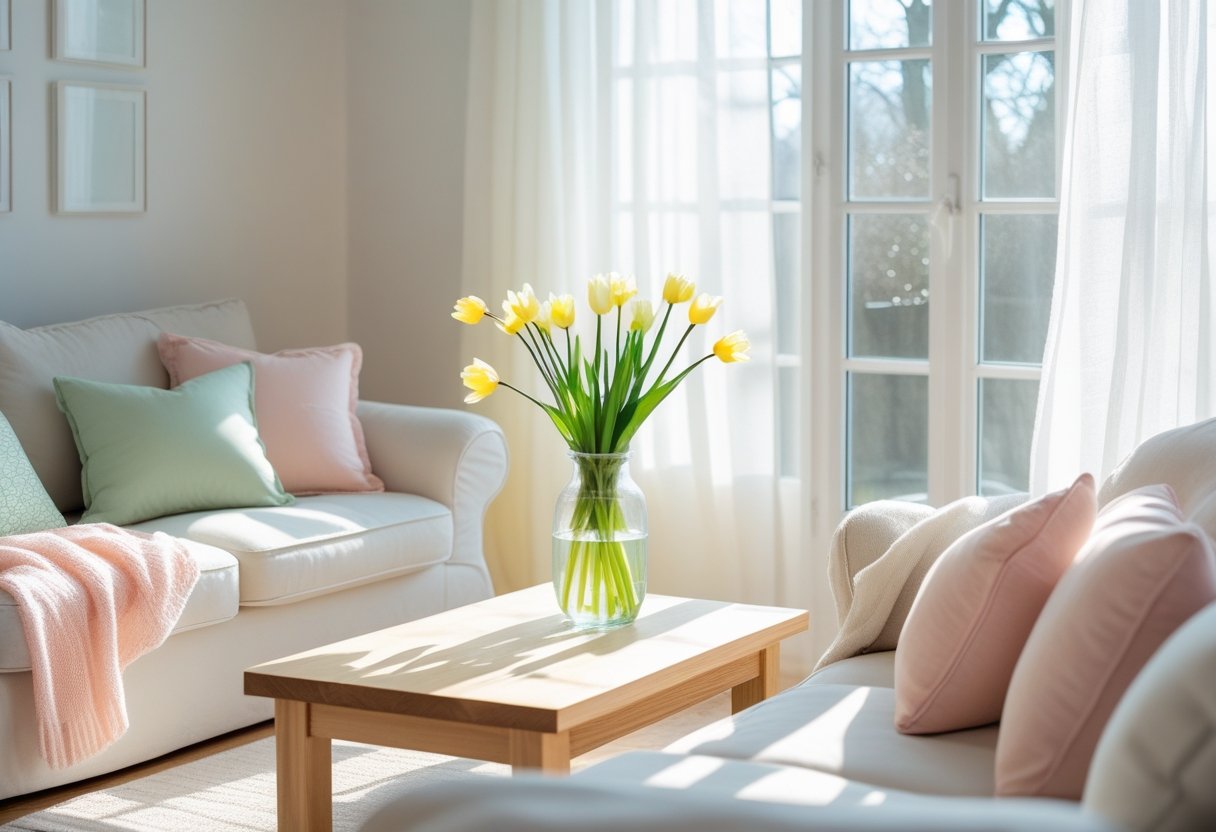
The key lies in choosing quietly colorful elements that blend well with existing decor. Gentle pastels, natural textures, and seasonal accents help introduce the new season’s vibe without overwhelming the room. This approach makes updating a space simple and affordable.
Layering these delicate highlights encourages a tranquil and cohesive atmosphere. It allows personal items and favorite features in the room to stand out, enhancing the home’s character while enjoying subtle seasonal change.
Key Takeways
- Small color additions can refresh a room without repainting.
- Soft, muted tones create a calm, inviting atmosphere.
- Accessories and art are easy tools for seasonal updates.
Understanding Quiet Colour and the Spring Palette
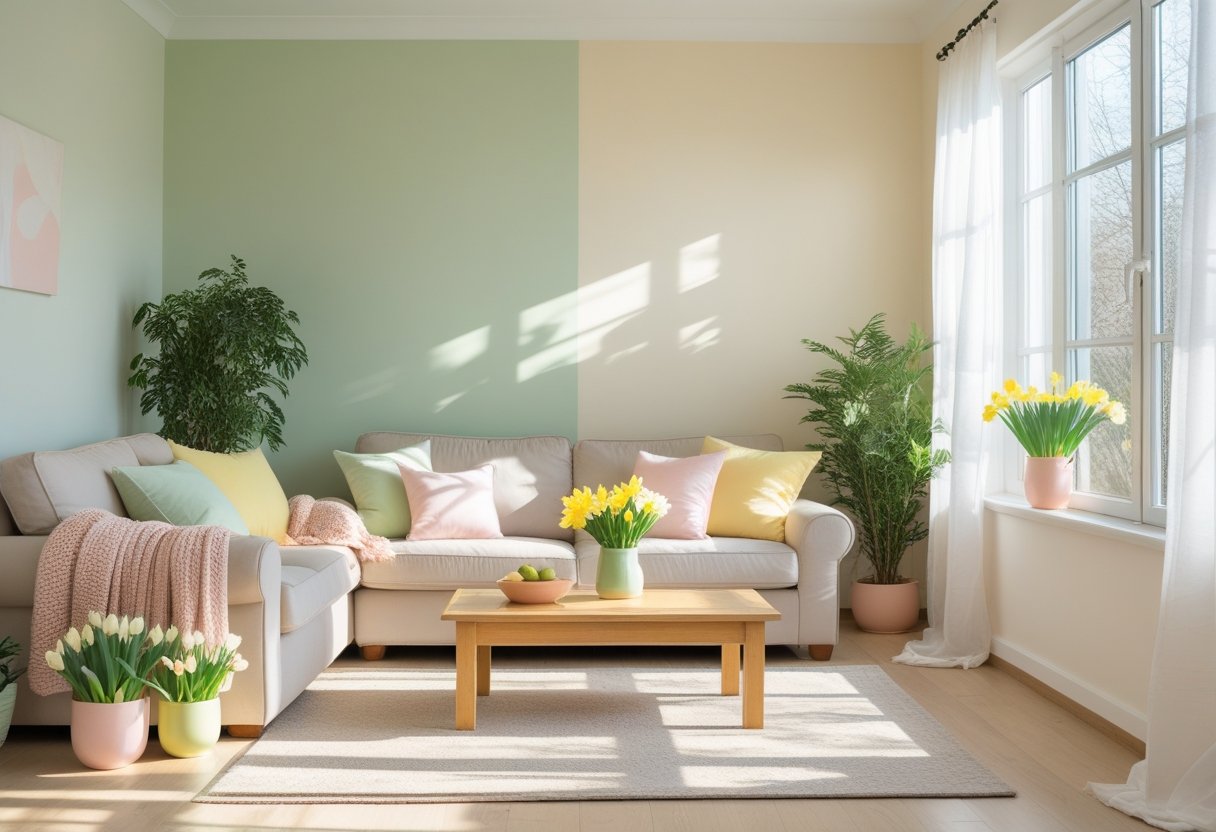
Quiet colour focuses on subtle, gentle shades that add depth without overpowering a space. The Spring palette blends lightness and warmth to create colors that feel fresh yet soft. Together, they offer a way to refresh a room without drastic changes.
Defining Quiet Colour Trends
Quiet colour refers to muted, soft tones that avoid brightness or strong saturation. These colors are not meant to stand out but to enhance a space through gentle shifts in shade. Instead of bold or loud hues, quiet colours provide a calm background that brings interest and balance.
They often lie between pure neutrals and vivid colors. This means that quiet colours bring subtle contrast and texture without drawing too much attention. Using this trend means introducing color gradually, which is helpful for those who want change but prefer calm environments.
The Emotional Impact of Muted Tones
Muted tones influence mood by promoting calmness and comfort. These shades reduce visual noise, making rooms feel more peaceful and balanced. For many, quiet colours help create a safe, welcoming atmosphere that reduces stress.
Unlike bright colors that energize, muted tones feel soothing. They work well in spaces meant for relaxation or focused work. Through calm hues, users can encourage steady emotions while still enjoying color’s warmth and depth.
Characteristics of Spring Color Palettes
Spring palettes combine warmth with lightness and clarity. The colors are soft yet fresh, like daylight filtering through flowers. These palettes include pale greens, warm peaches, soft yellows, and gentle blues.
A key feature is the balance between warmth and clarity. Spring tones avoid dullness by keeping colors bright but not harsh. This allows for varied combinations that feel lively and inviting without overwhelming the room.
| Key Traits | Description |
|---|---|
| Warmth | Soft, cozy tones with yellow or peach undertones |
| Lightness | Pale, bright colors without heaviness |
| Clarity | Clear, pure hues that are not muddied |
Spring colors invite positivity in a subtle way, blending naturally into existing decor or adding a fresh layer without repainting entire walls.
Practical Ways to Introduce Spring Tones Without Repainting
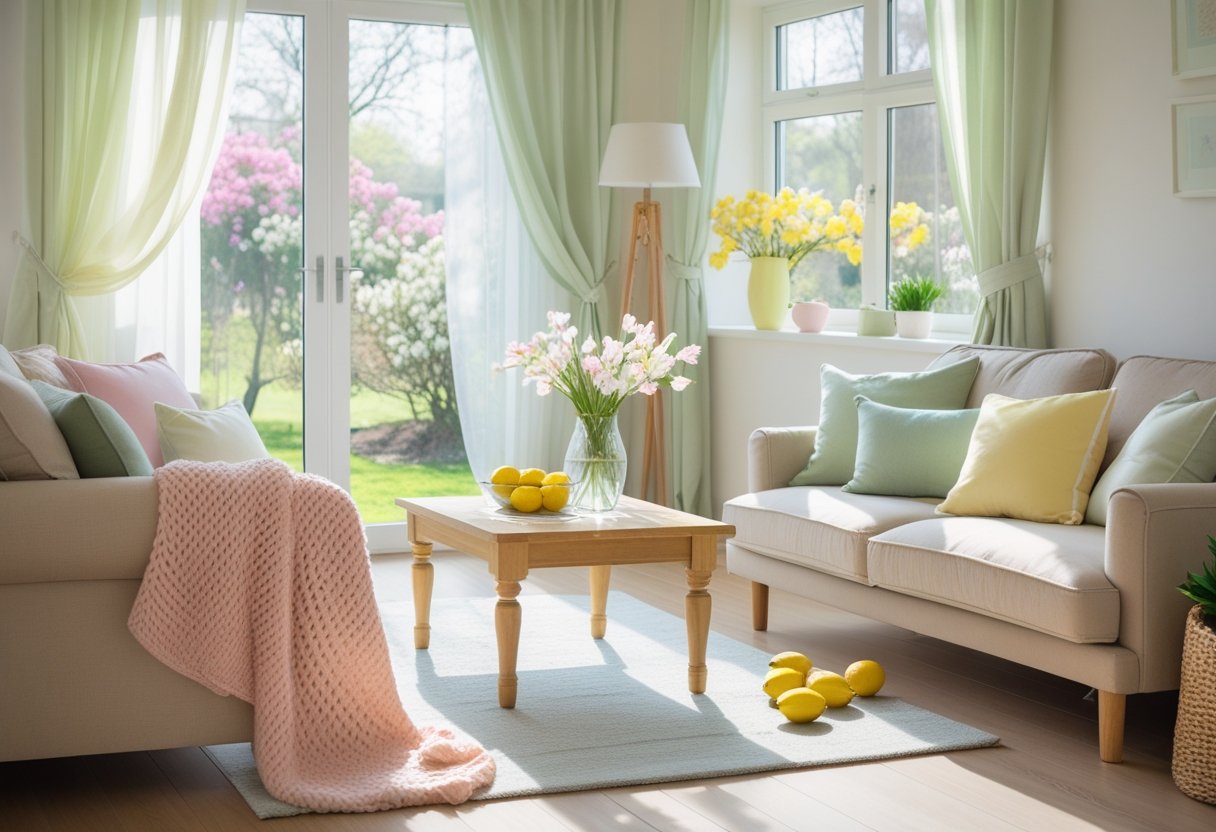
Adding spring colors to a space does not require changing wall colors or doing large redecorations. Simple updates with textiles, plants, and carefully chosen accents can refresh a room’s look. Small touches like soft finishes and earthy tones bring warmth and subtle color that fit the season.
Soft Furnishings and Textiles
Swapping out pillows, throws, and rugs is one of the easiest ways to add spring tones. Choosing fabrics in soft pastels such as blush pink, light lavender, or pale blue can create a gentle color shift. These colors work well with muted neutral walls and large furniture.
Textiles with light textures like linen or cotton bring an airy feel. Layering patterns with florals or subtle stripes adds interest without overwhelming the space. It’s important to mix solids and prints to maintain balance.
Refreshing curtains or bedding in this palette can also subtly lift the room’s mood. These changes are affordable and quick but create noticeable freshness and lightness.
Incorporating Green Accents
Green accents introduce a natural and calming element connected to spring growth. Adding plants like ferns, succulents, or small potted herbs brings life and varied green shades to the room. They need little effort and add texture.
Green ceramic vases or decorative bowls in muted or olive hues work well as accents on shelves or tables. These bring in color without dominance, blending with other toned-down pieces.
Using green in small decorative items ties the room’s color scheme to nature, enhancing a tranquil and grounded feeling. Alternating between bright and soft greens helps avoid monotony and keeps the space lively.
Layering Matte Finishes
Matte finishes deliver a soft, muted look that suits quiet color themes. Matte ceramics, lampshades, and picture frames reduce glare, allowing color tones to feel more subtle and collected.
Layering matte textures across different materials—wood, fabric, or metal—adds depth to the palette without increasing brightness. For example, a matte terracotta pot paired with a matte cotton throw creates tactile contrast while keeping colors soft.
Using matte surfaces on accessories ensures that bold or earthy colors do not become too intense, maintaining the calm vibe essential for spring-inspired spaces.
Choosing Terracotta and Earthy Accents
Terracotta is an ideal earthy tone to introduce warmth and balance to pastel spring colors. Terracotta pots, bowls, or candle holders offer a rustic yet refined touch.
Earthy accents like warm beige, muted rust, or soft brown complement green and pastel tones nicely. These colors help ground the space and provide an organic feel, linking indoors to the natural world.
Using terracotta and other earth tones in small doses—on smaller decorative items or planters—prevents the room from feeling heavy. They add quiet richness and create a cohesive spring color story when mixed carefully with lighter hues.
Accentuating With Accessories and Art
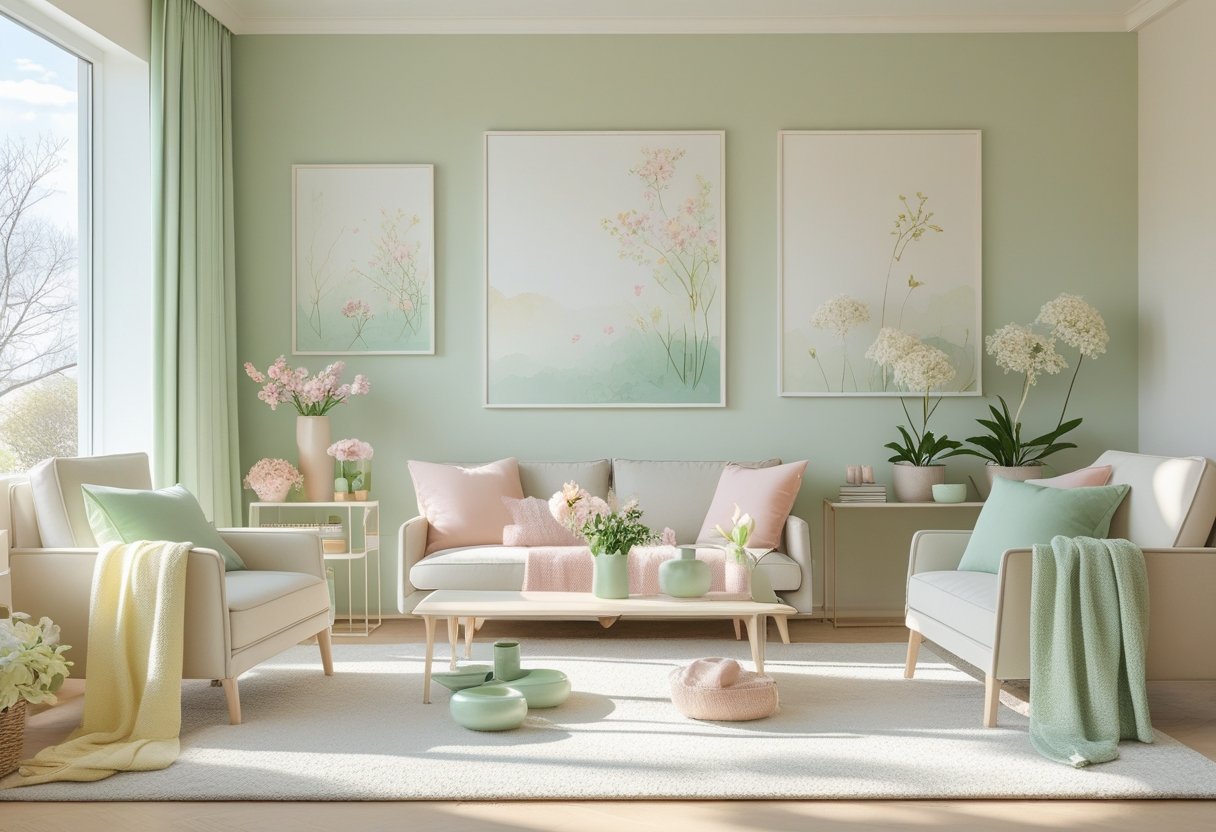
Introducing spring tones into a space without repainting requires thoughtful use of accessories and art. These elements bring in fresh colors while maintaining the room’s calm and elegant feel. Carefully chosen items can add depth and interest without overpowering existing decor.
Curating Quiet Colour Through Decor
Accessories are key to incorporating quiet spring tones like soft greens, muted yellows, and gentle corals. Items such as cushions, throws, and vases in these colors can be layered over neutral bases to enrich the palette subtly. Textured fabrics like linen or wool add natural warmth and depth.
Using a limited color range helps keep the mood calm and sophisticated. For example, pairing a pale sage pillow with an off-white throw keeps the setting light but visually appealing. Introducing small bursts of color, instead of full-room changes, prevents the space from losing its quiet luxury feel.
Art and Prints That Complement Spring Hues
Art pieces are powerful accents that enhance spring tones without needing wall painting. Choose prints or paintings featuring soft floral patterns, pastel landscapes, or abstract designs in light greens, blush pinks, or soft blues.
Framing also plays a role. Simple, understated frames keep the focus on colors and subject matter without adding visual noise. Placing art strategically—above sofas, in entryways, or near natural light sources—makes the colors stand out and integrates them smoothly.
Balancing Subtlety and Visual Interest
The challenge is to add color without overwhelming the senses. To balance subtlety and interest, mix different textures and finishes. A velvet cushion in coral next to a matte ceramic vase in cream creates contrast within a gentle color scheme.
A limited but thoughtful use of accent colors, like a single mustard scarf or teal ceramic piece, breaks monotony while supporting the overall calm vibe. This approach avoids clutter and lets quality and craftsmanship shine through rather than flashy color.
Tips for Maintaining a Cohesive and Tranquil Look
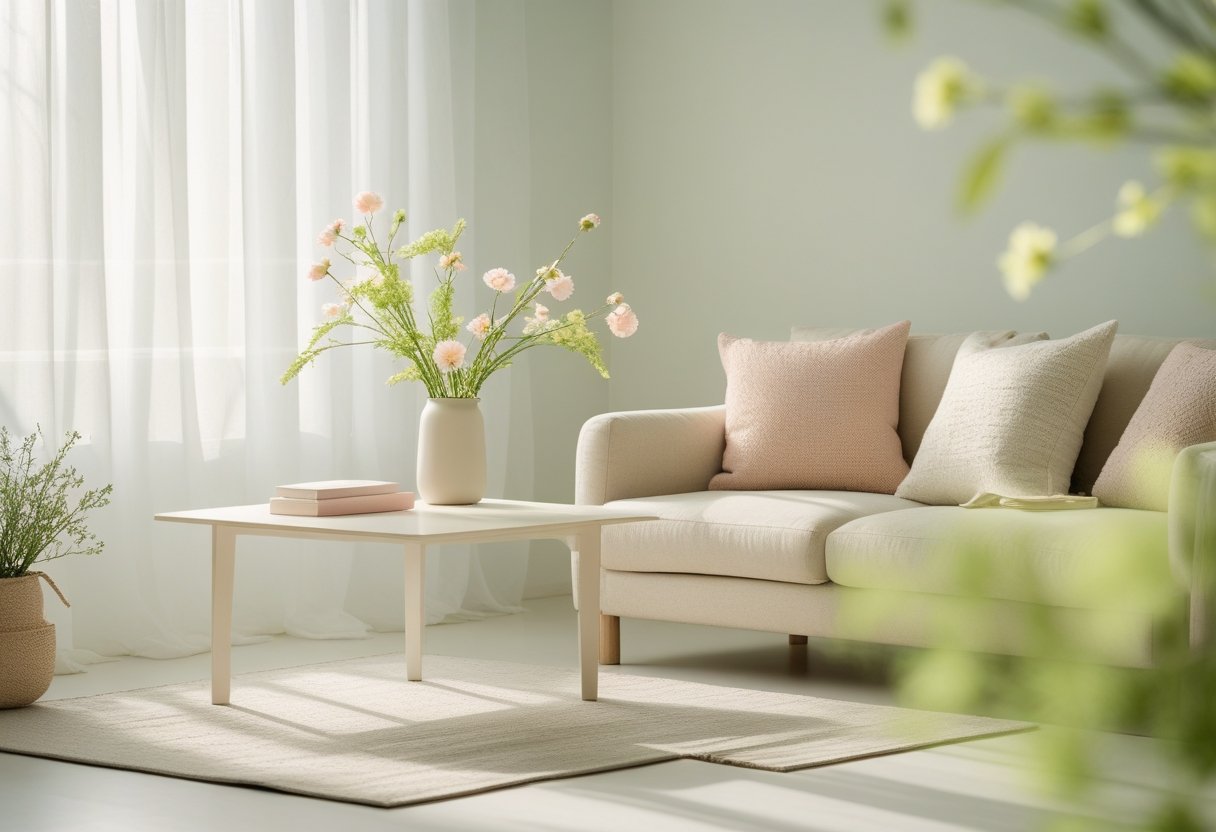
Balance is key when adding spring tones without major changes. Using layers, matching colors across rooms, and choosing the right lighting can help keep a calm and unified space. Each step should support a relaxed feel while highlighting fresh hues.
Layering Tones and Textures
Layering involves mixing different shades of spring colors with varied textures to add depth without loud contrasts. Soft pastels like pale greens, blush pinks, or light yellows work well when combined in matte finishes to keep the look subtle yet rich.
Textures like linen cushions, woven throws, or natural wood surfaces enhance visual interest. Mixing smooth, rough, and soft materials prevents monotony. This subtle variation keeps rooms feeling warm and inviting, not busy.
The key is to avoid bright or shiny items that break the calm vibe. Instead, stick to gentle tones and tactile materials paired thoughtfully for harmony and quiet luxury.
Harmonizing the Color Palette Across Spaces
To create flow between rooms, keep the color palette linked. Use one or two main spring-inspired hues repeated in small ways throughout the home.
For example, a muted sage green pillow in the living room might appear in kitchen towels or artwork nearby. This subtle echo ties spaces together without overwhelming. Neutrals like warm beiges or soft greys act as a steady base.
Avoid adding bold or clashing colors. Stick with colors that blend well with existing wall and furniture tones to maintain a peaceful atmosphere. Matte finishes on accessories help keep reflections minimal and soften the overall look.
Lighting Considerations for Muted Tones
Lighting affects how colors are seen. Soft, natural light enhances muted spring shades more than harsh or overly bright bulbs. Sheer curtains and warm white bulbs work well to create a gentle glow.
Avoid cold or fluorescent lighting, which can make soft colors appear dull or harsh. Use layered lighting like floor lamps, table lamps, and dimmers to control brightness according to mood and time of day.
Position lights to highlight textured surfaces and subtle color shifts without creating sharp shadows. This adds to the tranquil feel and helps the quiet color scheme feel consistent and soothing throughout the space.
Frequently Asked Questions
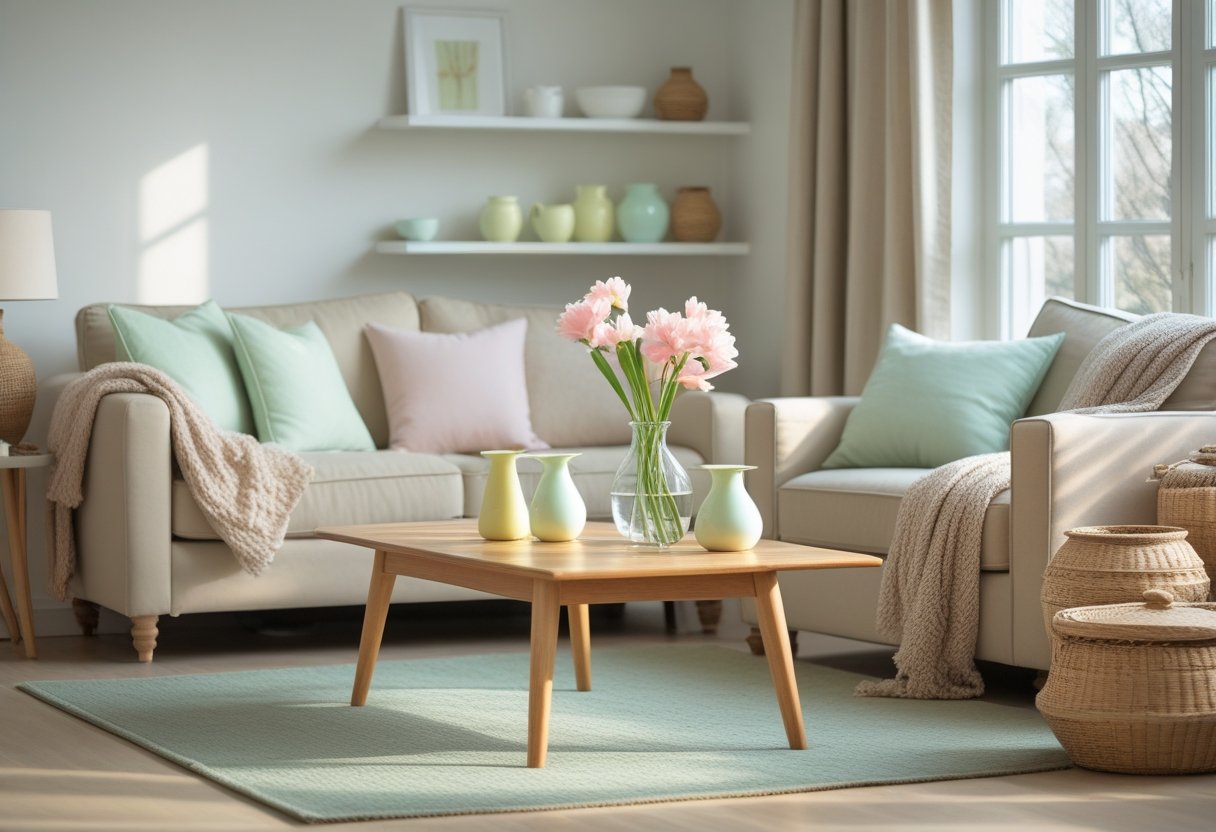
Spring tones can be added through small changes and thoughtful choices in decor. Understanding current trends and color effects helps create a calm, stylish space without major renovations.
How can I integrate pastel colors into my spring decor without repainting?
Pastels work well through accessories like cushions, throws, and vases. Small decor items with soft tones, like light blues or gentle greens, bring freshness without changing walls or furniture.
Adding plants with pastel-colored flowers can also introduce spring hues naturally. Layering materials in soft shades brings subtle color depth to the room.
What are the emerging color trends for the 2025 spring season in interior design?
The 2025 spring trend favors “quietly colorful” shades—muted, soft colors between neutrals and pastels. These include gentle blues, gray-greens, and warm ambers that add calm interest without overpowering a space.
Muted and natural tones are growing in popularity, reflecting a move toward relaxing, comfortable living environments.
What color palettes can create a calming atmosphere in a living space?
Soft blues, muted greens, and warm beige tones help create calm interiors. Palettes combining gray, cream, and soft pastel colors maintain a relaxed and soothing mood.
Layering different textures with these colors can add dimension while keeping the space inviting and serene.
Which colors are considered the most fashionable for living rooms this spring?
Muteds like soft chamois beige, subdued blue-greens, and gentle amber tones are fashionable. These shades offer sophistication and warmth without loud contrasts.
Blending these colors with natural materials such as wood or linen enhances the trend’s understated style.
How does muted color theory apply to springtime home decor?
Muted color theory uses toned-down shades to reduce visual noise and invite calm. It focuses on colors that are neither too bright nor fully neutral, creating subtle interest and harmony.
This approach helps highlight personal items and textures by providing a soft, balanced background.
Can you suggest color combinations that evoke a sense of tranquility for spring?
Soft blue-gray with cream and pale green is a calming mix. Another option is warm beige paired with muted amber and a touch of soft white.
These combinations create a peaceful, inviting feel that suits spring’s gentle transition.

Jasmine Hart is the founder and primary author behind MyNestHaven, a home decor and interior inspiration website focused on practical, real-life design ideas.
She shares styling inspiration, organization tips, and space-conscious solutions to help readers create homes that feel both functional and visually appealing. Her approach focuses on simplicity and usability, with an emphasis on ideas that can be applied to everyday living spaces.
Through MyNestHaven, Jasmine provides room-by-room decor ideas, small space solutions, and practical guidance designed to make home design feel more approachable and achievable.