
The Best Fluffy Pancakes recipe you will fall in love with. Full of tips and tricks to help you make the best pancakes.

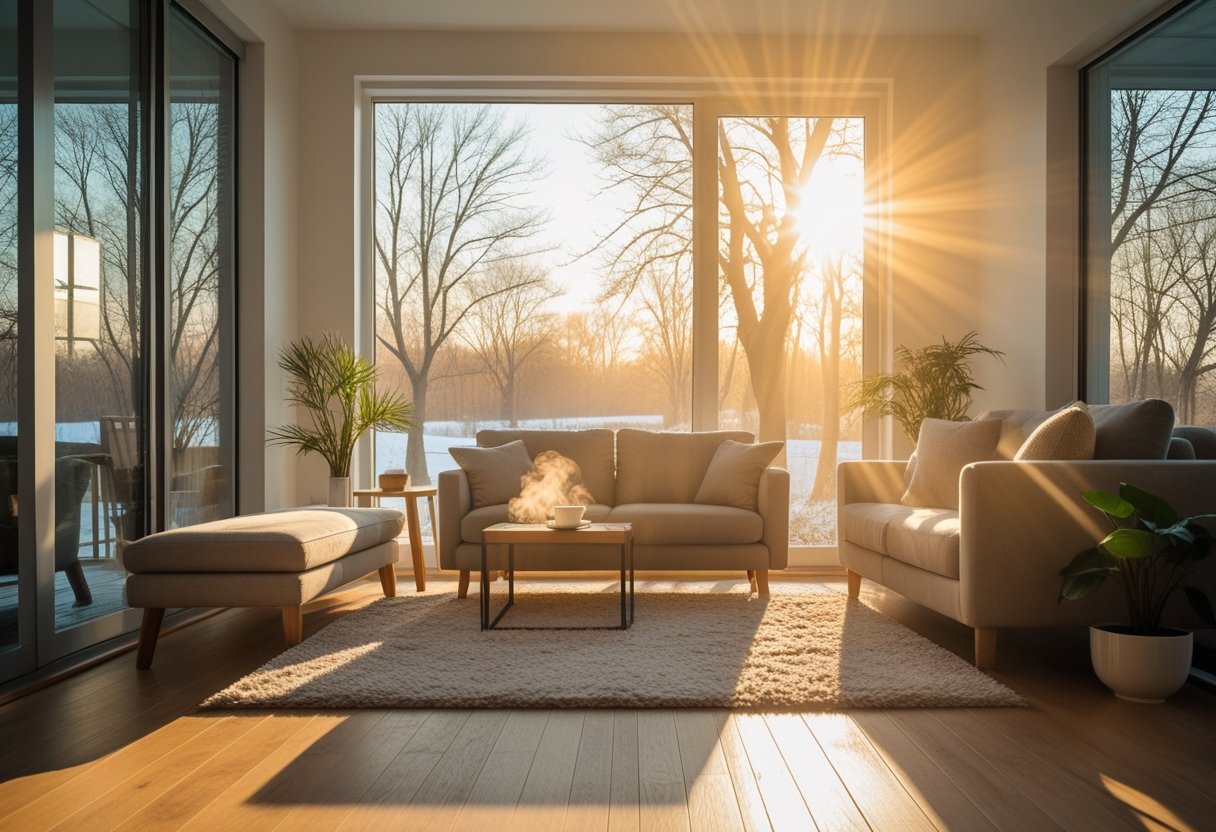
January light brings a unique quality to rooms, changing how spaces feel during the winter months. The low, warm sun creates a soft glow that shifts throughout the day, adding a comforting and peaceful mood to interiors. This gentle light can brighten rooms in a way that artificial lighting cannot, making January a special time for natural light to influence home atmosphere.
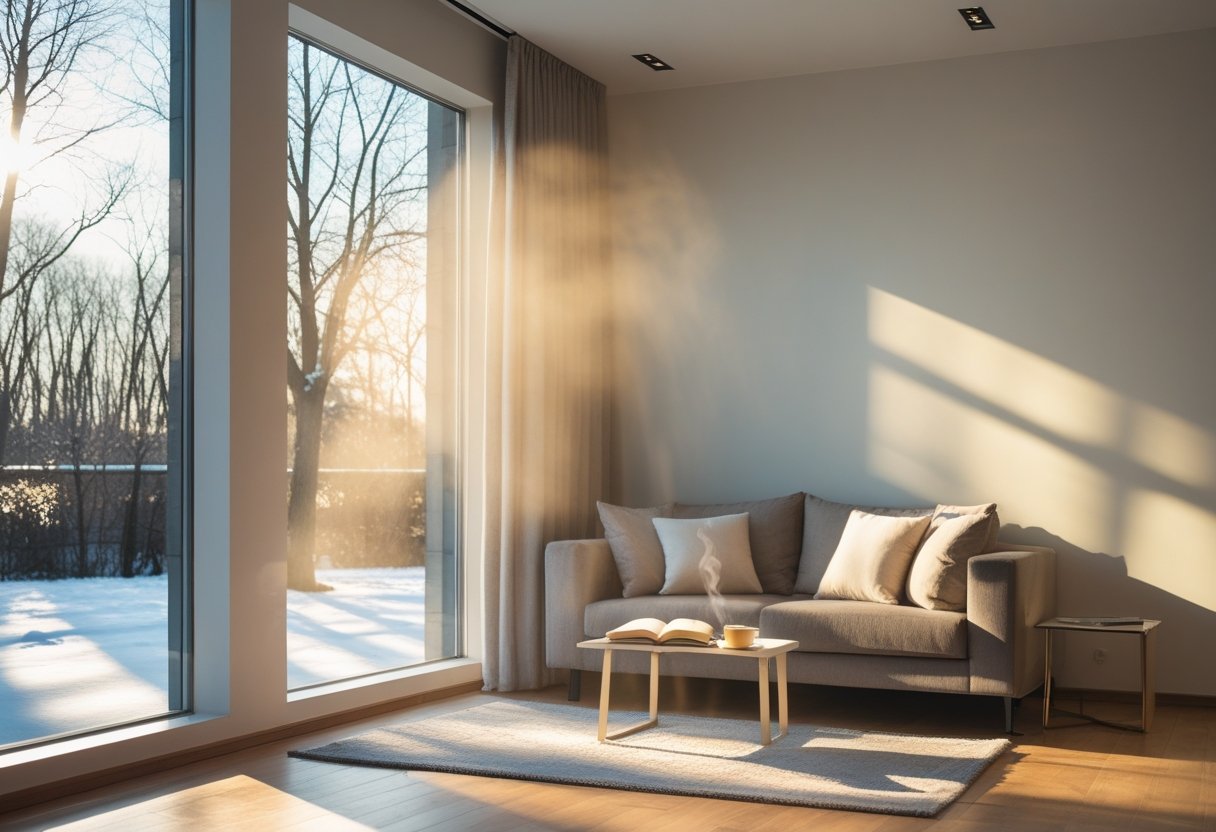
The way winter sunlight moves and shines through windows helps shape how people feel inside their homes, often boosting mood and encouraging creativity despite shorter days. Its intensity and angle create shadows and highlights that add depth and warmth, making even cold days feel inviting. Understanding how to use this light can help homeowners make their spaces feel more welcoming and alive during winter.
By paying attention to the path of the sun and arranging rooms to capture the January light, people can enhance both comfort and well-being. Simple changes, like adjusting window treatments or placing furniture to catch the light, can turn short winter days into opportunities for natural brightness and calm.
Key Takeways
- January light creates a warm and peaceful atmosphere in rooms during winter.
- Winter sunlight influences mood and adds natural depth to interiors.
- Small changes in room setup can maximize the benefits of winter light.
How January Light Shapes Home Atmosphere
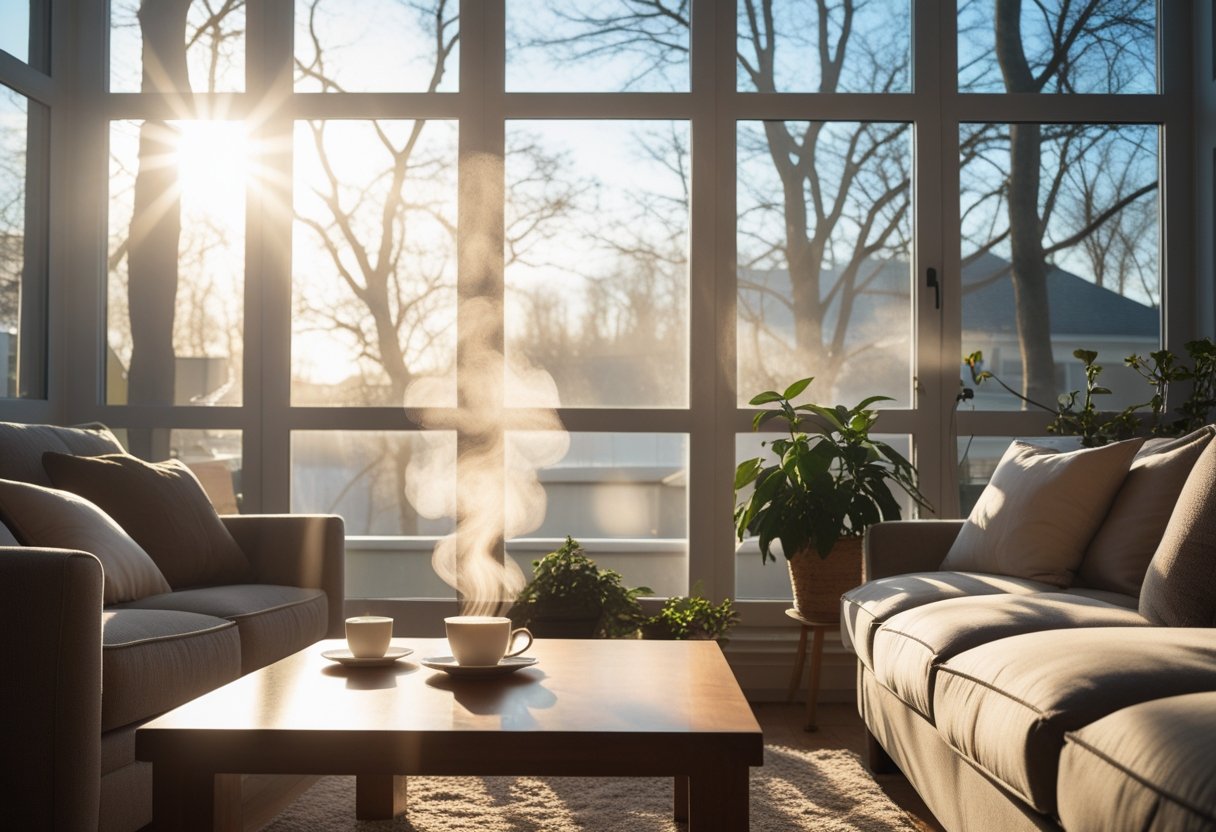
January light has a distinct quality that affects the way rooms look and feel. Changes in sunlight exposure and the sun’s low angle during winter create unique patterns indoors. These changes influence both the mood and the energy inside a home.
The Unique Qualities of Winter Sunlight
In January, sunlight comes from a low angle just after the winter solstice, which is the shortest day of the year. This low sun casts long, warm shadows and bathes rooms in a soft golden glow. The air is often clearer and colder, making the light appear sharper and colors more vivid.
Winter sunlight has less UVB radiation, reducing the intensity but keeping the warmth that helps brighten spaces. Even with reduced sunlight exposure, the crisp light encourages calm and clarity inside the home.
Changes in Natural Light Patterns Indoors
After the winter solstice, daylight slowly increases, but January still offers shorter, more angled light. Sunlight enters windows at a slant, reaching deeper into rooms than in summer. This natural light shifts during the day, creating changing patterns on floors and walls.
Rooms with large south-facing windows benefit most. However, interior design choices like the use of light colors and reflective surfaces can boost light where windows are smaller. These changes in natural light patterns help bring more brightness into winter interiors despite the shorter days.
Visual and Emotional Effects on Living Spaces
The look of January light affects mood and energy. Its soft glow warms rooms visually, making them feel cozy and inviting. The contrasts created by low sunlight and longer shadows add texture and depth to spaces, which can encourage relaxation and thoughtfulness.
Limited sunlight exposure can lead to feelings of gloom for some, but rooms filled with natural light and warm tones often help ease those effects. Increased sunlight inside a home also supports better well-being by encouraging connection with seasonal changes and nature’s rhythms.
Biological and Psychological Impact of Winter Sun
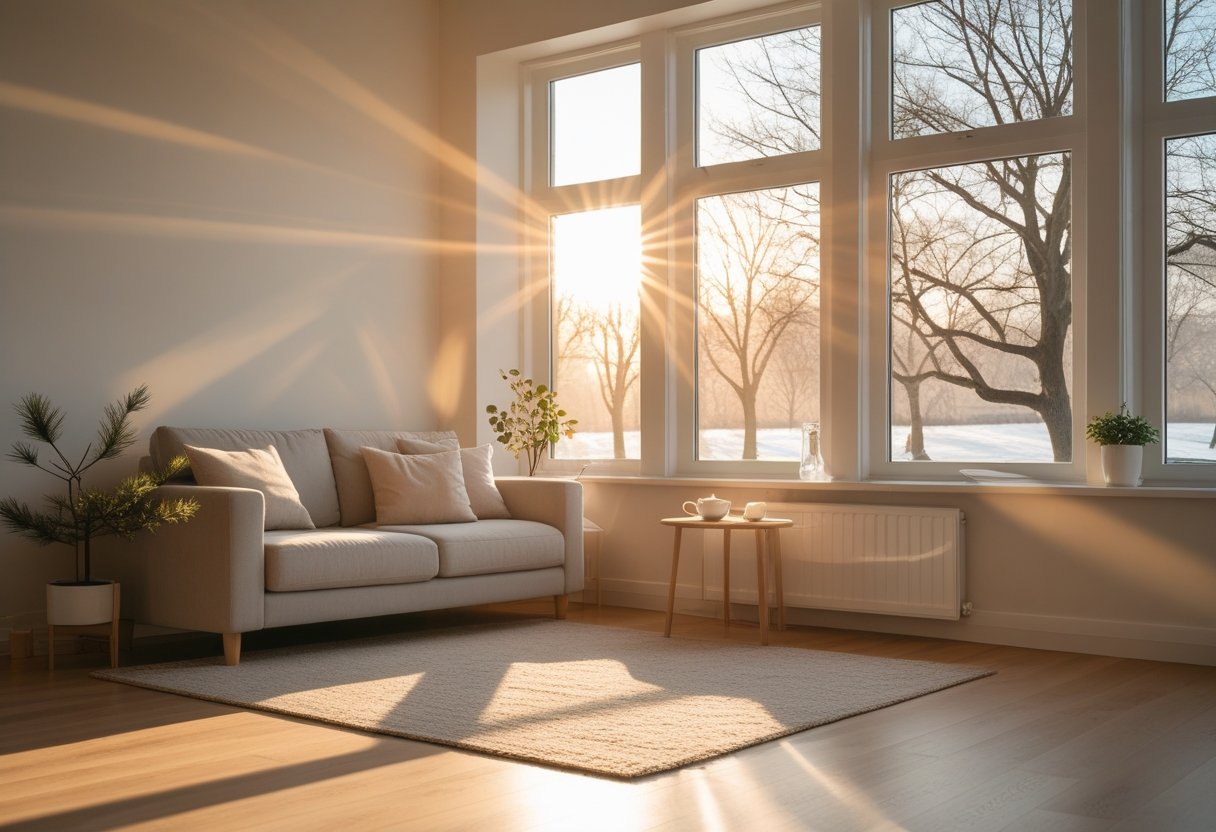
Winter sunlight affects both the body and mind in specific ways. Changes in light exposure influence mood, sleep, energy, and vitamin production. These shifts are linked to common conditions like seasonal affective disorder and sleep disturbances, making it important to understand how winter sun shapes daily well-being.
Seasonal Mood Changes and Mood Regulation
Reduced sunlight in winter often lowers serotonin levels, a neurotransmitter crucial for mood regulation. This decline can trigger feelings known as the “winter blues” or, in more severe cases, seasonal affective disorder (SAD). SAD is characterized by symptoms such as sadness, anxiety, and depression that appear during darker months.
The brain’s response to less sun can also worsen existing mood disorders like bipolar disorder and major depressive disorder. Lack of light disrupts the body’s biological clock, especially the suprachiasmatic nucleus, which controls mood and behavior patterns. Increased feelings of loneliness and withdrawal are common, linked to changes in brain chemistry caused by lower light exposure.
Vitamin D and Serotonin Levels
Winter’s shorter days limit exposure to UV radiation, which the skin uses to produce vitamin D. Vitamin D has a direct impact on serotonin synthesis. Lower vitamin D levels are associated with decreased serotonin, which can impair mood regulation and increase vulnerability to depression.
Proper vitamin D levels help maintain mental wellness by supporting neurotransmitter function. Diet and supplements can partially offset the lack of natural sunlight, but natural light remains the most effective trigger for serotonin release. This makes rooms filled with winter sun valuable for sustaining mood and combating fatigue.
Disruption of Circadian Rhythms and Sleep
The circadian rhythm, also called the biological clock, relies heavily on sunlight to regulate the sleep-wake cycle. Reduced winter light disrupts this rhythm, leading to irregular sleep patterns and poorer sleep quality. The hormone melatonin, which promotes sleep, rises earlier in the day during winter, causing earlier tiredness but often fragmented sleep.
Sleep disturbances linked to circadian misalignment contribute to fatigue and worsen mood disorders, creating a cycle of low energy and sadness. This disruption can affect concentration, weight regulation, and overall mental health by altering normal circadian signals controlled by the brain’s suprachiasmatic nucleus.
Energy Levels and Fatigue in Winter
Lower sunlight leads to lower energy levels, partly due to decreased serotonin and disrupted circadian rhythms. Many experience persistent fatigue, which can reduce motivation and physical activity. This decrease in activity can contribute to feelings of lethargy and weight gain.
Fatigue in winter can also be a symptom of depression or SAD, but it is often compounded by the biological effects of reduced light. Enhancing exposure to winter sun inside rooms can help boost energy by promoting vitamin D production and resetting the body’s internal clock. This is significant for managing mental health and breaking the cycle of winter exhaustion.
Strategies for Maximizing Winter Mood and Well-Being
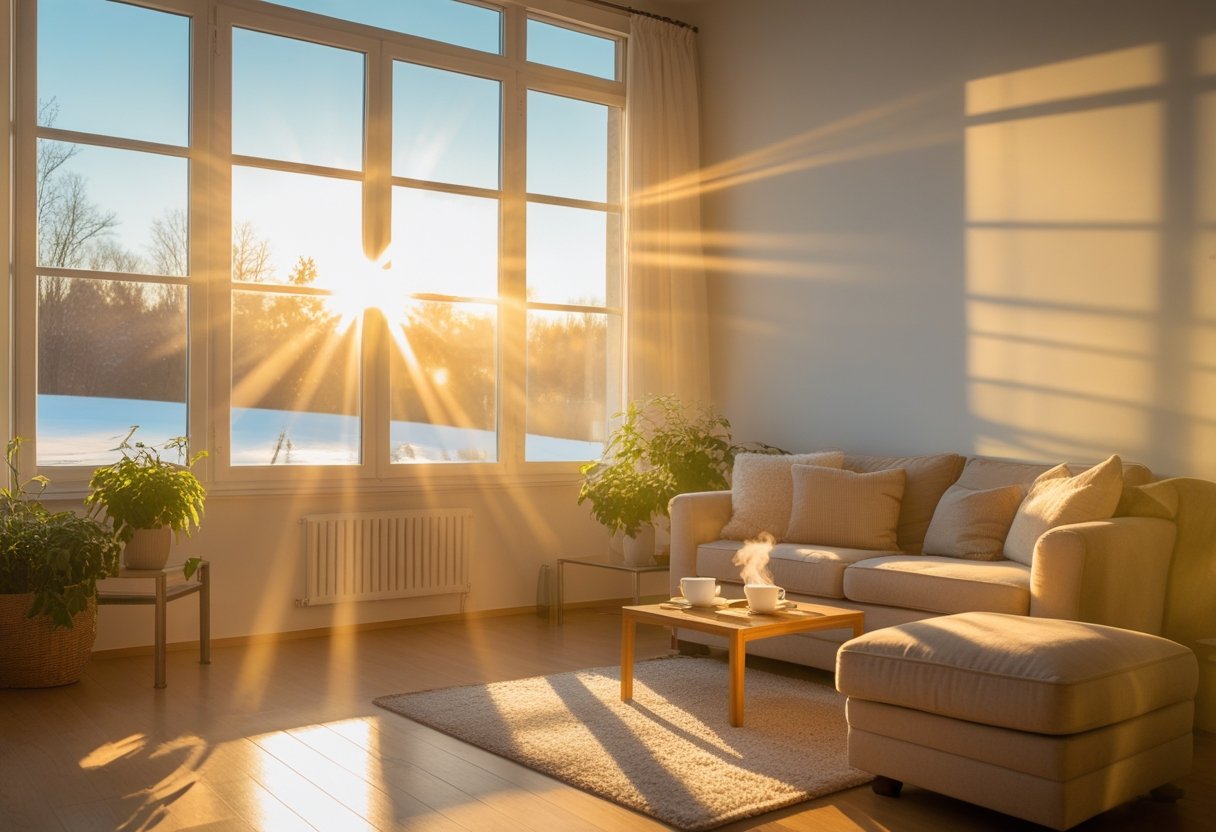
Winter creates unique challenges for mood and energy due to reduced daylight and colder weather. Managing these changes involves using available sunlight wisely, considering light therapy options, and making lifestyle adjustments that support mental health during shorter days.
Enhancing Sunlight Exposure Indoors
Maximizing natural light inside the home helps improve mood and alertness. Positioning seating areas near south-facing windows can increase time spent in sunlight during midday, when winter sun is strongest.
Keeping windows clean allows more light to enter. Using light-colored or reflective surfaces like white walls and mirrors also helps spread sunlight through the room. Avoid heavy curtains or blinds during daylight hours to allow maximum light in.
Organizing common spaces to take advantage of sunlight boosts exposure, especially in the morning. Even brief periods of natural light help regulate circadian rhythms and reduce feelings of sluggishness common in winter.
Light Therapy and SAD Lamps
Light therapy is a common method to counter symptoms of Seasonal Affective Disorder (SAD) and winter mood declines. A light therapy lamp provides bright, artificial light—often around 10,000 lux—to mimic natural sunlight.
Daily sessions of 20-30 minutes early in the morning are recommended for best results. It is important to use a lamp specifically designed for light therapy to ensure safety and effectiveness.
Consulting a mental health professional before starting light therapy is advisable, especially for those with eye conditions or bipolar disorder. Support groups can also offer guidance on managing winter mood challenges alongside light therapy.
Lifestyle Adjustments for Mental Wellness
In addition to light exposure, small changes in daily habits support winter mental health. Regular exercise indoors or outside increases energy and reduces stress. Yoga or mindful movement help maintain emotional balance.
Nutrition plays a role, too. Maintaining hydration and reducing caffeine and alcohol intake stabilize mood. Social connection, even in cold months, lessens feelings of isolation.
Creating daily routines focused on self-care, like meditation or hobbies, provides structure and positive focus. Combining these lifestyle changes with light exposure enhances overall well-being throughout winter.
Frequently Asked Questions
Winter sunlight affects mood by influencing brain chemicals and energy levels. Adjusting habits and environments can help reduce the impact of seasonal changes on mental health.
What are effective strategies to improve mood during the winter months?
Increasing exposure to natural light is one of the best ways to improve mood. Spending time outside during daylight, especially in the morning, helps.
Regular exercise also supports emotional well-being by boosting energy and reducing stress. Maintaining a balanced diet and staying socially connected contribute as well.
How can exposure to sunlight affect mental health in the winter?
Sunlight triggers the release of serotonin, a brain chemical that stabilizes mood. Less sunlight in winter can lower serotonin levels, leading to feelings of sadness or low energy.
Sunlight also regulates melatonin, which controls sleep cycles. Proper sleep supports better mental health and alertness.
What steps can be taken to mitigate the impact of seasonal affective disorder (SAD)?
Using light therapy boxes to simulate sunlight is a common treatment. Sitting near a bright light for about 30 minutes daily can help restore mood.
Creating a daily routine that includes outdoor activities and physical exercise aids recovery. Consulting a healthcare professional for personalized treatment is important.
Are there proven methods to help get out of a winter slump?
Yes, combining light therapy with physical activity and social interaction has proven effective. Mindfulness practices and yoga may also improve mood and reduce anxiety symptoms.
Avoiding excessive screen time and planning enjoyable indoor activities can help maintain motivation.
How early should one start light therapy to combat winter blues?
Starting light therapy in late fall, before symptoms typically appear, can prevent or lessen the winter slump. Early use helps maintain consistent serotonin levels as daylight decreases.
Following a regular schedule with light therapy increases its effectiveness.
What can be done to maintain a positive mindset through the darker days of January?
Keeping a well-lit living space and staying active support a positive mood. Setting small daily goals and staying connected with friends or family also helps.
Engaging in hobbies and focusing on healthy sleep habits improves resilience against seasonal mood changes.

Jasmine Hart is the founder and primary author behind MyNestHaven, a home decor and interior inspiration website focused on practical, real-life design ideas.
She shares styling inspiration, organization tips, and space-conscious solutions to help readers create homes that feel both functional and visually appealing. Her approach focuses on simplicity and usability, with an emphasis on ideas that can be applied to everyday living spaces.
Through MyNestHaven, Jasmine provides room-by-room decor ideas, small space solutions, and practical guidance designed to make home design feel more approachable and achievable.