The Best Fluffy Pancakes recipe you will fall in love with. Full of tips and tricks to help you make the best pancakes.

Your home shapes daily habits and mindsets, making it a powerful tool for personal growth in 2025. By thoughtfully designing spaces to match goals, people create environments that support productivity, creativity, and well-being. A home aligned with one’s ambitions becomes more than a living space—it becomes a place that actively encourages who they want to become.
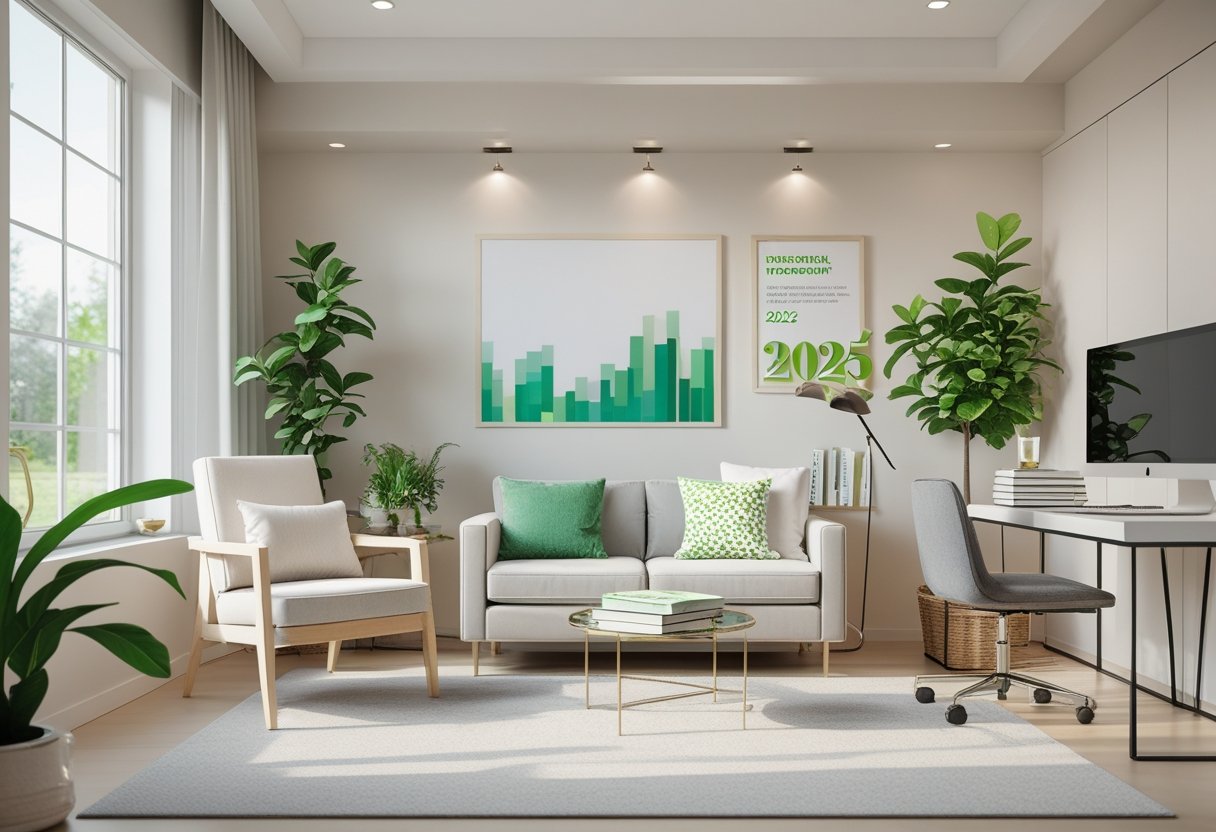
Design choices should go beyond decoration. They must reflect personal values and lifestyles while balancing style and function. Whether through dedicated work corners, calming sanctuaries, or flexible layouts, these spaces can help foster motivation and mindfulness. Intentional home design turns everyday surroundings into a direct reflection of future goals.
In 2025, sustainability and personalization also play key roles. Using eco-friendly materials and meaningful décor not only supports the planet but adds authenticity to the home. Thoughtful design creates a supportive, inspiring atmosphere that grows alongside its owner.
Key Takeaways
- A home designed with purpose encourages personal growth and supports daily goals.
- Functional and flexible spaces help maintain motivation and mindfulness.
- Sustainable choices add meaning and authenticity to living environments.
Aligning Your Home With Your 2025 Goals
Creating a home that supports specific personal goals means understanding what you want to achieve and shaping your environment around those aims. This involves clear planning, picking designs that inspire, and setting up spaces that encourage growth and productivity.
Clarifying Your Aspirations and Lifestyle
To align a home with goals, the first step is clarifying what those goals are. This means identifying values, ambitions, and daily habits that define the person you want to become. For example, if health and wellness are priorities, spaces like a home gym or a calm meditation corner become essential.
Lifestyle plays a big role. Someone who works from home needs an organized, distraction-free workspace. On the other hand, a person focused on family time should prioritize comfortable and inviting common areas. Writing down these priorities helps guide design choices clearly.
Using a Vision Board for Design Inspiration
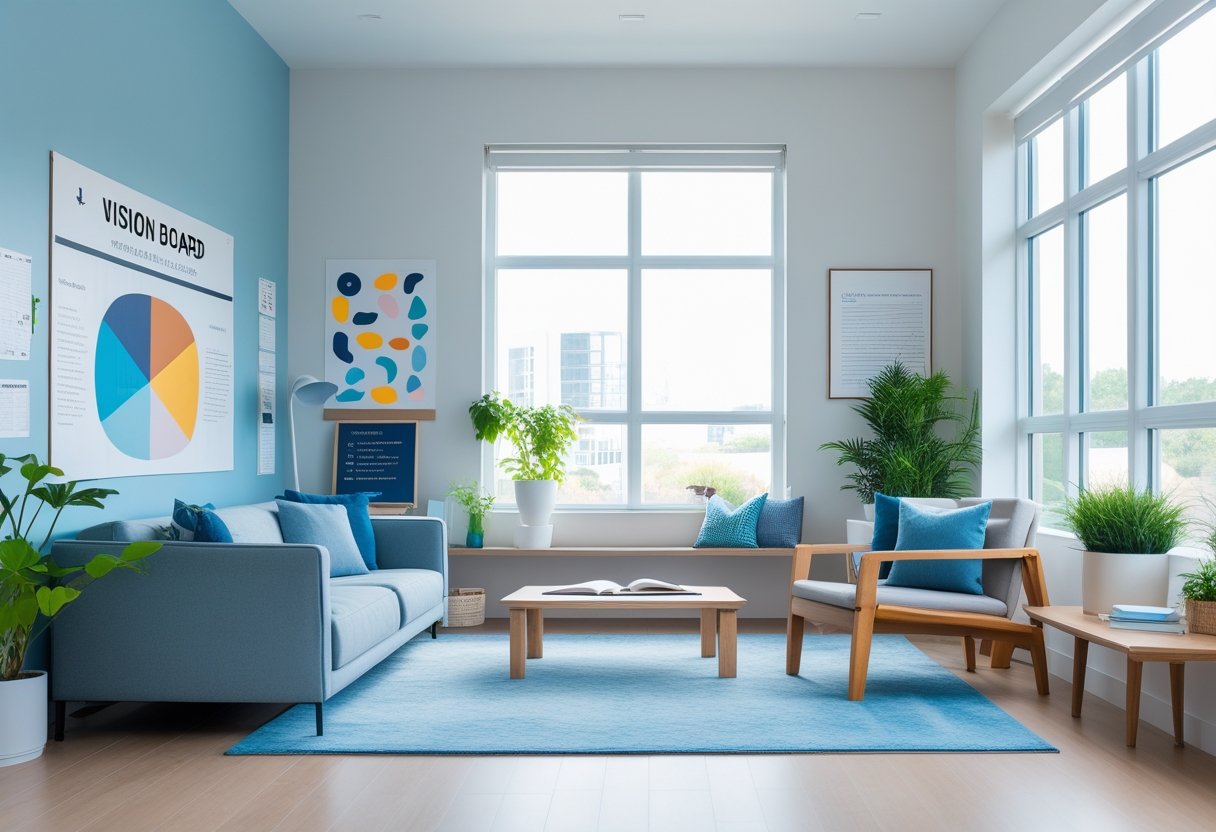
A vision board serves as a visual tool to collect ideas that reflect personal goals and style preferences. It can include images of furniture, color palettes, lighting ideas, and layouts that evoke feelings of calm, motivation, or creativity.
By referencing the vision board during the planning stage, it becomes easier to stay focused. This visual reminder connects abstract goals to practical design elements. For instance, a vision board might highlight bright colors and open spaces to boost energy or soft textures to promote relaxation.
Defining Functional Spaces to Support Growth
Functionality is key in making spaces that truly support growth. It means designing areas so they encourage focus, creativity, or rest depending on the goal. Setting clear purposes for each room can prevent clutter and distractions.
For example:
| Space Type | Purpose | Examples |
|---|---|---|
| Work Area | Productivity | Desk, good lighting, ergonomic chair |
| Relaxation Zone | Mental rest | Comfortable seating, soft lighting |
| Hobby Corner | Creativity and learning | Art supplies, good storage |
Each space should include tools or features necessary to support its function. This makes it easier for the person to develop habits that align with their goals daily.
Design Strategies to Reflect Personal Transformation
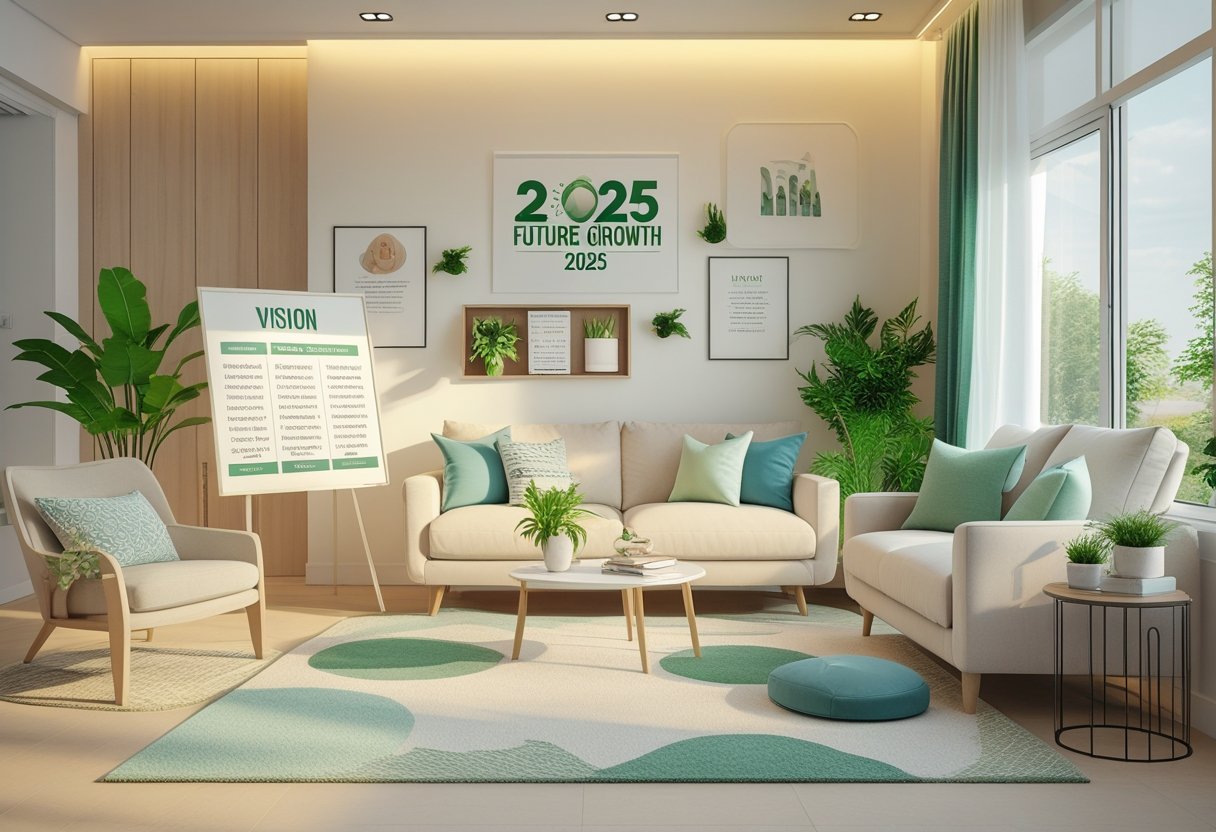
Creating a home that matches personal growth means choosing details that add comfort, warmth, and balance. Combining different surfaces, natural materials, and a mix of styles can show depth in character and hint at future ambitions. Thoughtful choices in texture, wood elements, and design style help illustrate who a person aims to become.
Applying Layered Textures for Depth and Comfort
Layered textures add richness and a sense of coziness to rooms. Using a mix of fabrics like soft cotton, smooth leather, and woven wool creates visual interest and tactile appeal. This layering invites relaxation and makes spaces feel welcoming.
For example, pairing a velvet sofa with linen pillows and a chunky knit throw blankets creates depth. Rugs with varied fibers or patterns also contribute to this effect, grounding the room and adding warmth underfoot. Textured wallpaper, like grasscloth or subtle embossing, can introduce complexity on walls without overwhelming the senses.
The goal is to represent personal transformation by building spaces where one feels grounded but inspired, balancing softness with structure through layered materials.
Incorporating Warm Woods and Natural Materials
Warm woods bring an organic feeling that connects a home to nature and history. Wood tones like oak, maple, or cherry offer rich color that adds both comfort and elegance. These materials help anchor interiors with timeless beauty.
Using wood in furniture frames, flooring, or accent walls adds character while maintaining a calm, inviting atmosphere. Natural materials such as stone, rattan, and clay complement wood by adding earthy textures and colors that feel authentic and grounded.
Choosing sustainably sourced or reclaimed wood can reflect respect for the environment, aligning with personal values. This approach supports the idea of growth rooted in tradition while embracing new directions.
Balancing Modern Trends With Rustic Charm
Blending modern design with rustic charm creates spaces that feel both current and personal. Sleek lines and minimalist furniture provide a clean backdrop, while rustic elements like exposed beams, distressed finishes, or vintage accents add warmth and history.
This balance prevents a home from feeling cold or overly trendy. Instead, it becomes a place of quiet strength and ongoing change. For example, pairing a metal-framed glass coffee table with a reclaimed wood bench adds contrast and interest.
Mixing modern lighting fixtures with hand-carved décor pieces highlights individuality. This strategy reflects someone who values progress but stays connected with their roots.
Architectural Features and Home Layouts That Empower Change
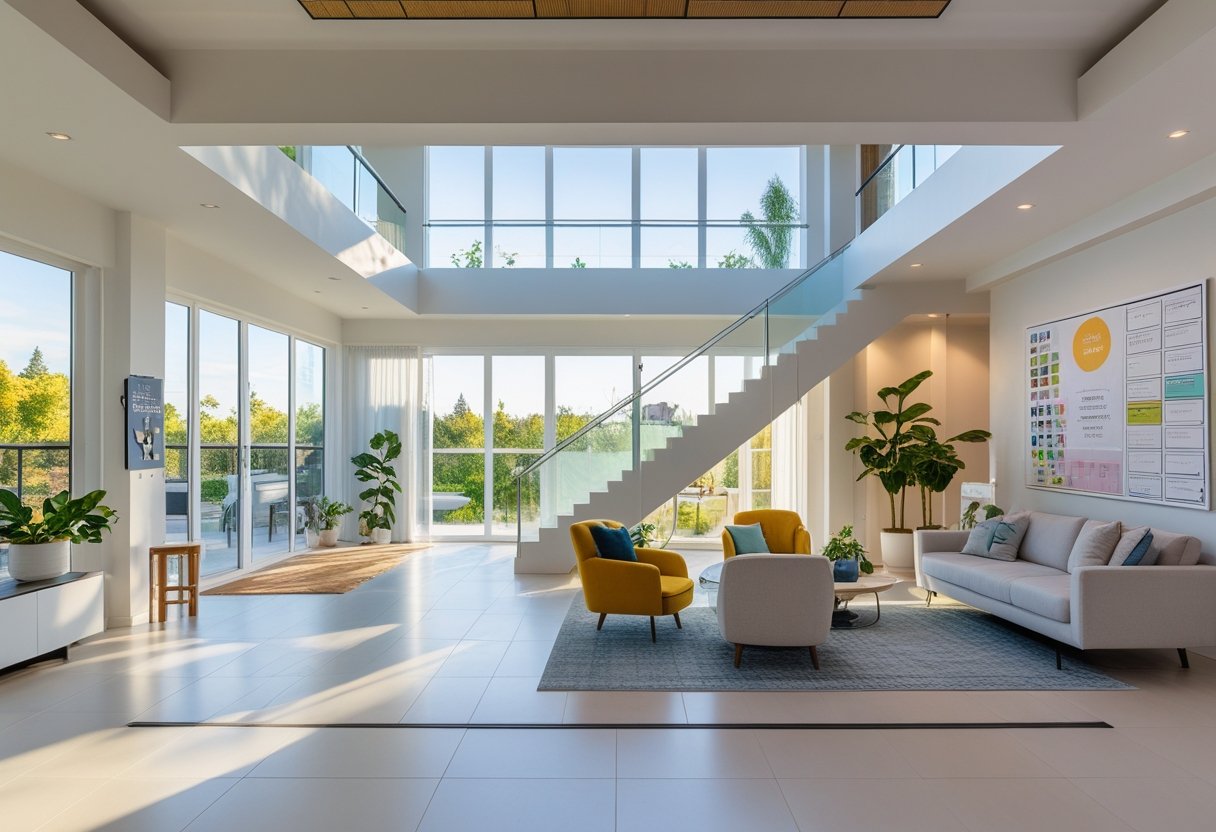
Architectural choices and layouts can shape daily life and support personal growth. Thoughtful elements encourage focus, relaxation, and social connection while blending beauty with function. Practical features like arched doorways, dedicated zones, and outdoor living spaces help create a home that evolves with its owner’s goals.
Embracing Arched Doorways and Curved Elements
Arched doorways add softness and elegance to any home. Their curved lines contrast with typical straight edges, creating visual interest and a welcoming feel.
These shapes can guide movement between rooms, enhancing flow and openness. Arches also work well in key spots like hallways or entryways to make the home feel connected without rigid separation.
Besides their aesthetic appeal, curved elements reduce harsh corners, which can promote calmness in spaces where owners seek relaxation or creative thinking. This subtle architectural choice helps shape an environment that supports both peace and style.
Creating Zoning for Focus and Relaxation
Well-planned zoning divides the home into areas for work, rest, and leisure. Clear zones help reduce distractions and improve productivity.
Using soft partitions, rugs, or furniture arrangements can define these spaces without full walls. For instance, a cozy nook with a comfortable chair and good lighting can become a relaxation zone.
Open areas for socializing contrast with quieter zones for concentration. This balance lets residents switch easily between tasks and downtime. Designing with this in mind encourages healthier routines and better mental focus.
Integrating Outdoor Kitchens and Seamless Indoor-Outdoor Living
Outdoor kitchens expand the home’s living area and create new opportunities for entertaining. Equipped with grills, counters, and storage, they turn yards into social hubs.
Connecting indoor and outdoor spaces with sliding doors or large windows allows for smooth transitions. This connection encourages spending more time outside and benefits well-being through fresh air and natural light.
A seamless indoor-outdoor design makes gatherings easy and enjoyable, supporting both casual meals and larger events. It also enhances the home’s utility while adding value through versatile use of space.
Frequently Asked Questions
Designing a home to support personal goals involves thoughtful choices about daily habits, technology, functionality, color, and workspace. These elements work together to build an environment that encourages growth, focus, and balance.
How can interior design improve my daily habits and routines?
Interior design can encourage good habits by creating organized, clutter-free spaces. Clear layouts and designated zones make tasks easier and reduce stress.
For example, placing a coffee station in the kitchen supports a morning routine. Natural light and comfortable furniture can also boost energy and mood throughout the day.
In what ways can I integrate smart home technology to support my personal ambitions?
Smart technology can automate daily routines and improve efficiency. Tools like automated lighting, climate control, and voice assistants help save time and maintain comfort.
Using apps to track home energy or wellness habits can also promote sustainability and health goals. Integration should focus on simplicity and usefulness rather than complexity.
What are the best strategies for creating a multifunctional space in a home environment?
Multifunctional spaces require flexible furniture like foldable tables or modular sofas. Zones can be defined by rugs or lighting to serve different purposes.
Storage solutions help keep the area tidy and adaptable. Design should allow quick transitions between work, relaxation, and social activities.
How does color psychology influence mood and productivity in home design?
Colors impact emotions and focus. Blues and greens tend to calm and improve concentration, while yellows can energize and inspire creativity.
Choosing the right colors in areas like home offices or relaxation spots can enhance productivity and well-being. Balance bright accents with neutral tones to avoid overstimulation.
What are the key considerations for designing a home office that enhances productivity?
A home office should have good lighting, ergonomic furniture, and minimal distractions. Positioning the desk near natural light supports alertness.
Clear organization and cable management reduce clutter. Personal touches can boost motivation without causing visual noise.
How can I design a living space that promotes a balanced lifestyle between work and relaxation?
Separating work areas from leisure zones helps maintain boundaries. Comfortable seating and soft lighting create peaceful spots for rest.
Incorporating natural elements, like plants and fresh air, supports mental well-being. Spaces should encourage both focus and downtime effectively.

Jasmine Hart is the founder and primary author behind MyNestHaven, a home decor and interior inspiration website focused on practical, real-life design ideas.
She shares styling inspiration, organization tips, and space-conscious solutions to help readers create homes that feel both functional and visually appealing. Her approach focuses on simplicity and usability, with an emphasis on ideas that can be applied to everyday living spaces.
Through MyNestHaven, Jasmine provides room-by-room decor ideas, small space solutions, and practical guidance designed to make home design feel more approachable and achievable.